

Today's holiday weekend edition of the Friday Check-In coming up just as soon as you've got a cure for cancer in your candy bar section...
To my readers here in the States, I hope you had a satisfying, stress-free Thanksgiving, and that you're not spending today being pushed and shoved by other Black Friday bargain hunters. To everyone else, I hope you've had a satisfying, stress-free week, and that you don't spend any of the weekend being pushed and shoved under any circumstance.
Catching up
Here's what I've published since last Friday's newsletter:
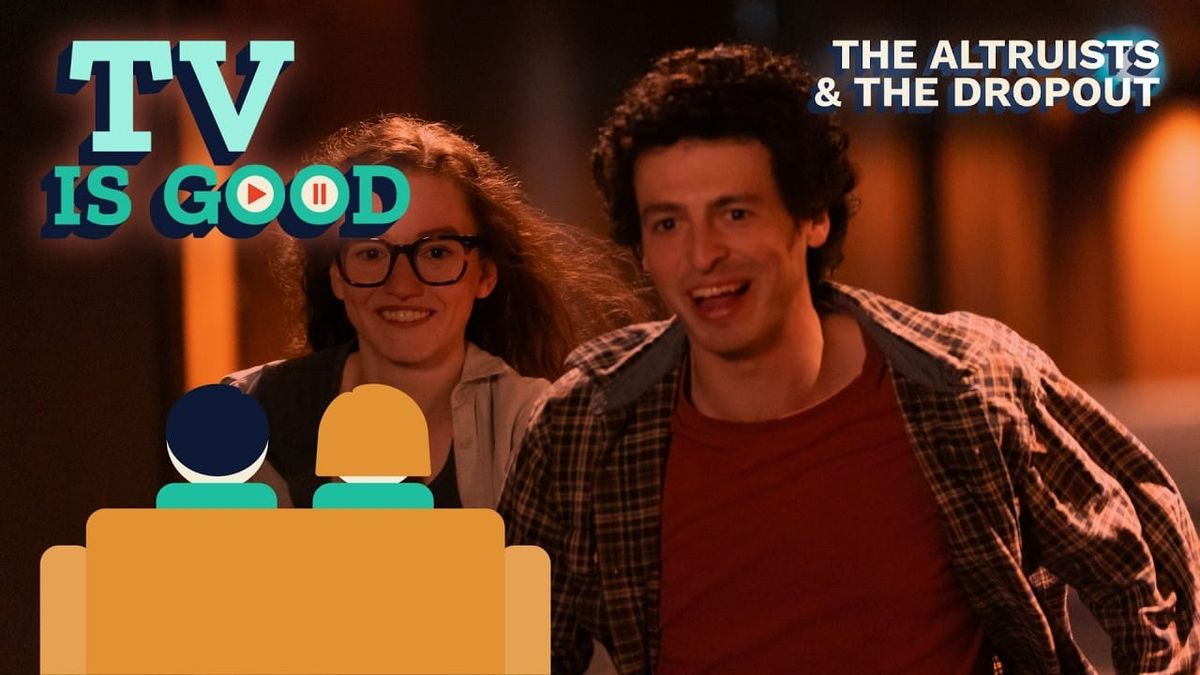
- In a new TV Is Good episode, Kathryn and I scammed our way through a discussion of Netflix's The Altruists and Hulu's The Dropout – the latter of which is back in the news, thanks to You Can See Everything:
 Alan Sepinwall
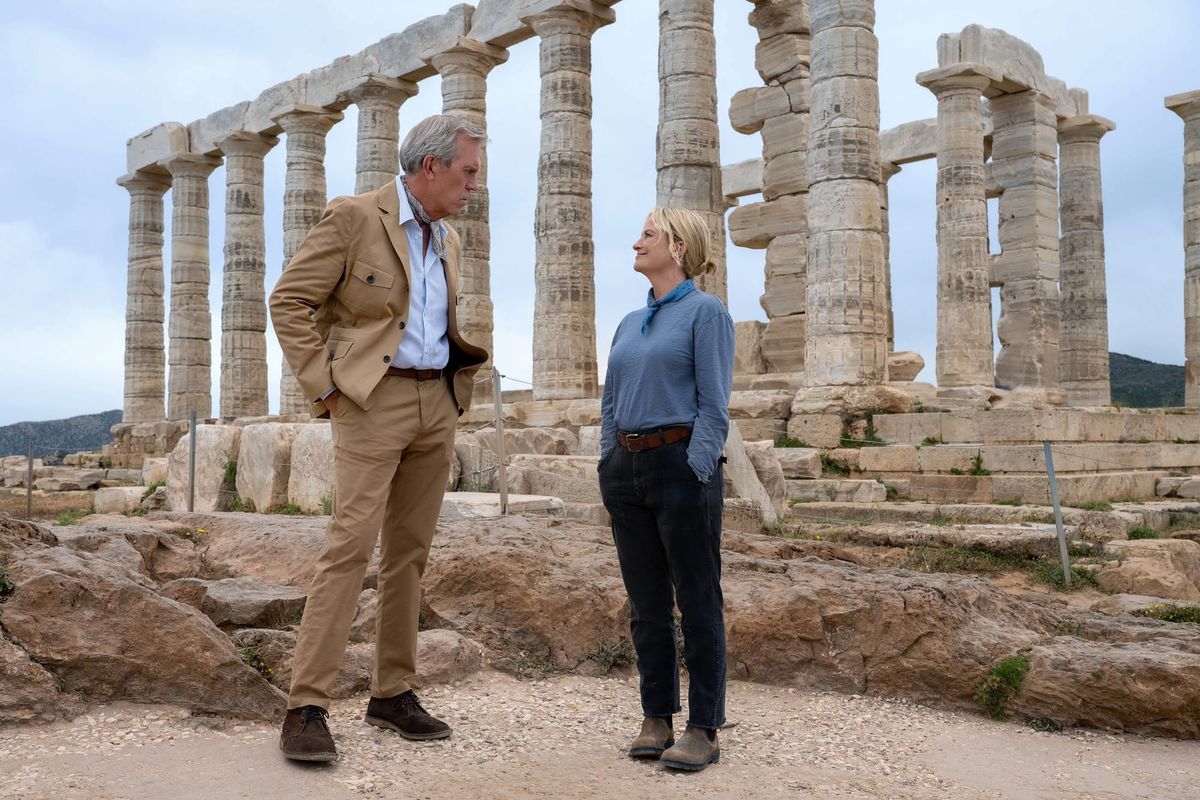
I reviewed Dig, the Peacock comedy that reunites Amy Poehler with her Parks and Recreation boss Michael Schur, to a more laid-back and whimsical effect than their most famous collaboration:
 Alan Sepinwall
- All in the Game, my book about The Wire, now has a release date (June 1) and an awesome cover, and is available for preorder. (More on that below.)
 Alan Sepinwall
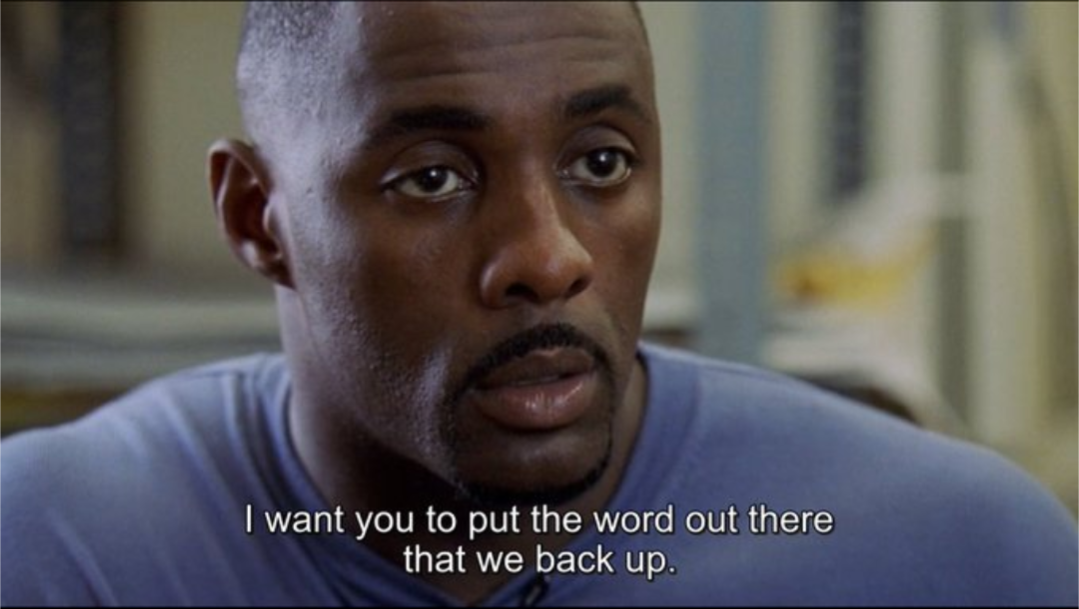
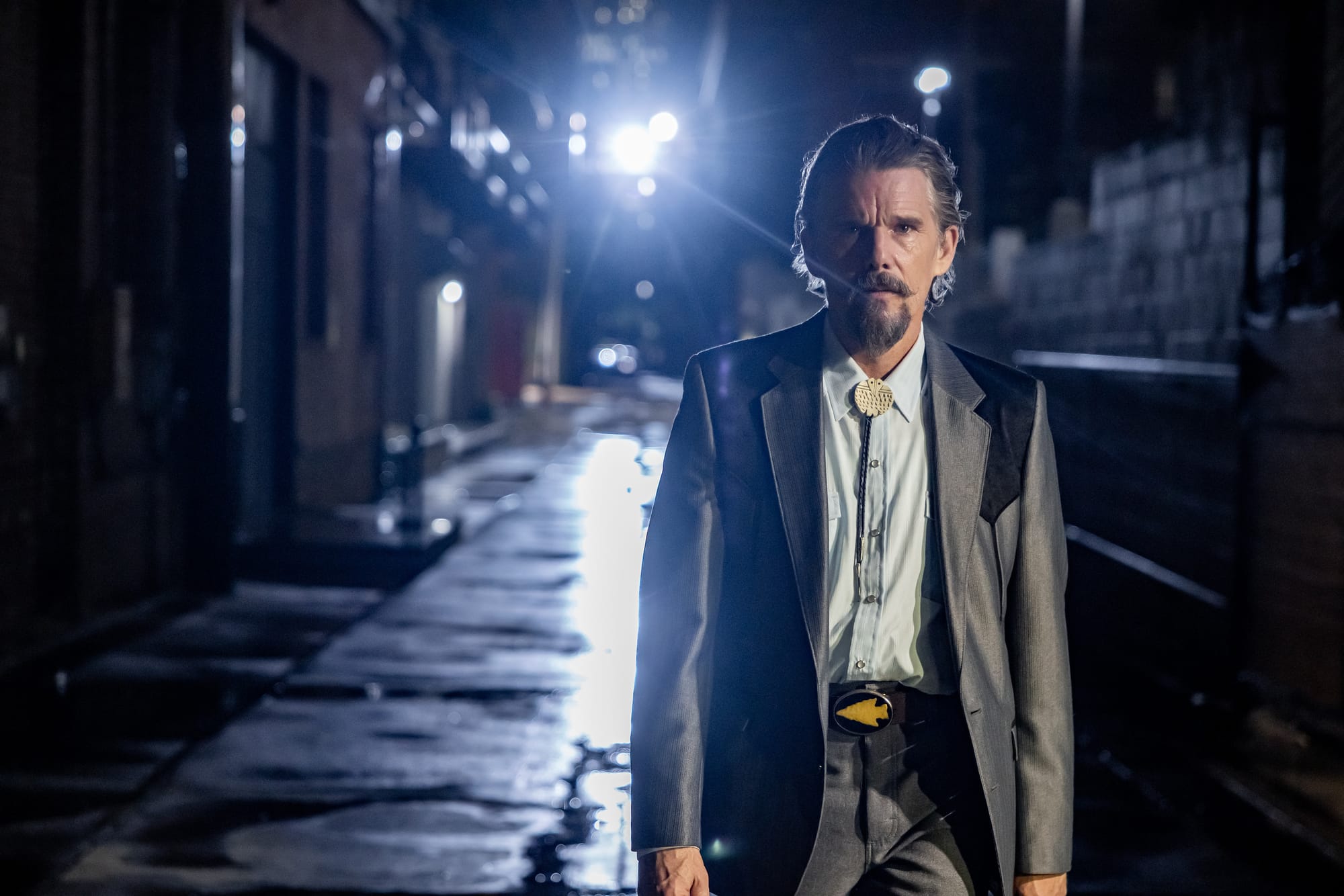
- I recapped the fantastic season finale of The Lowdown, which I sure hope wasn't the series finale of the fantastic The Lowdown:
 Alan Sepinwall
What's next?
December is always one of the slowest months of the TV calendar. This one looks to be especially slow. I'll do my best to provide interesting stuff to read over the coming weeks, but it'll be more evergreen than usual, with various year-end lists, plus attempts to write about shows I didn't get to when they debuted. (Apple's charmingly oddball Small Prophets, for instance.) Next week, you'll definitely get at least this:
- A new TV Is Good, where Kathryn and I talk about Dig, then look back at the greatest Thanksgiving episode of them all, "Thanksgiving Orphans" from Cheers Season Five. The whole thing is streaming on Paramount+ and Pluto, but if you're in a hurry, here's the most famous part:
- Also, a reminder: the TV Is Good episode after the Dig/Cheers one will be our first listener mailbag. Send whatever questions you want Kathryn and I to answer together — or that you just want Kathryn to answer (my feelings won't be hurt, I assure you!) — to tvisgoodpod@gmail.com.
- And if there are questions that you only want me to answer (Kathryn's feelings won't be hurt, I also assure you!), I'll be doing a new Ask Alan column for What Else Is Alan Watching? bonus tier subscribers. Send those to alan@whatsalanwatching.com.
- I interviewed Lowdown star Ethan Hawke and creator Sterlin Harjo about the finale, for a piece that was supposed to publish yesterday. Due to forces beyond my control, look for that sometime early next week.
- Just as one comic mystery whose first season I liked goes away (hopefully just for now), another comic mystery whose first season I liked returns. I'll be reviewing Season Two of Apple's Bad Monkey with Vince Vaughn.
Odds and/or ends
 Alan Sepinwall
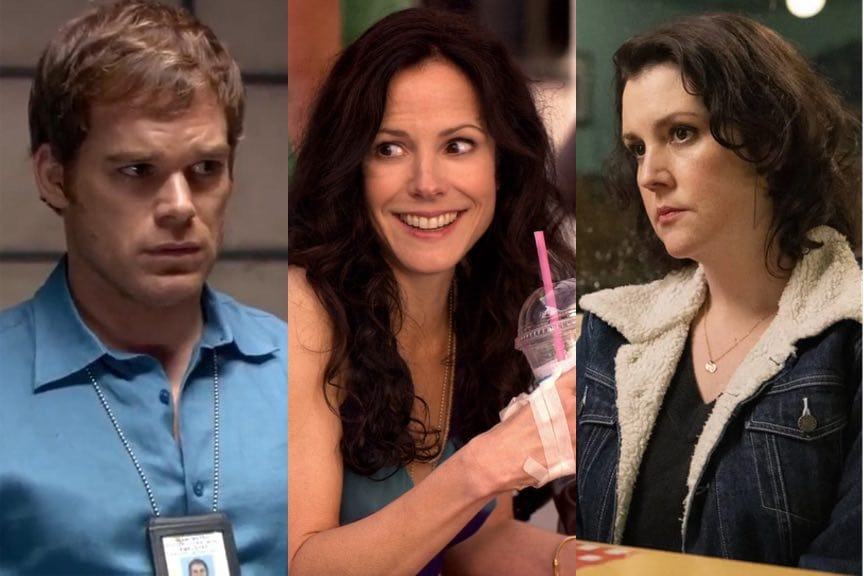
- When I wrote that column about the legacy of Showtime last week, I pinned a lot of the blame for the cable channel's problem on its inability to let any show end while it was still creatively vital. But Showtime was just a more extreme version of how most of the TV business has worked forever and ever — and how, in some cases, it still does. Case in point: Apple this week announced a fifth season renewal for Ted Lasso, which is still a big money-making hit, no matter how much I and some other viewers grew frustrated with this year's half-hearted reboot. If Jason Sudeikis and company decide to actually lean into the women's team this year, maybe things can get better. But if they keep trying to shoehorn in the legacy characters, and keep giving Keeley and the others stories that make them look like idiots, then we're edging pretty close to Dexter Morgan: Lumberjack territory.
- A couple of new podcast appearances. I jumped on the Strange Highways podcast, which has covered every episode of the original Twilight Zone, and the various reboots:
- And if you want to hear me talk, but not about Serling, this episode of the Beginnings podcast focuses, as the show's title suggests, on my younger years: childhood, college, start of career, etc.
The write stuff
As you do your holiday shopping, I hope you'll forgive the reminder that I've now written nine books about television, counting an upcoming one coming out next spring. Nine is a lot. I think my next book will be a nap.
But I also think these will make good gifts for the TV nerd in your life (or for yourself, if you don't already own them). Allow me to dress up this shameless plug with a behind-the-scenes anecdote or two about each of these:
Stop Being a Hater and Learn to Love The O.C.
I almost hesitate to call this one a book, because it's so flimsy in both size and depth. It's also long out of print, and I didn't get royalties on it to begin with — just a small advance that was enough to buy a new washer/dryer — much less now if anyone picks up a used copy. But it was exciting to be asked to write a "book," even if the circumstances were very different from all these others.
As chronicled in greater detail in another book I'll discuss in a minute, The O.C. was a huge pop cultural phenomenon in its first season. And the publishing industry loves to cash in on phenomenons as quickly as possible. My once and future partner Matt Zoller Seitz had once written something along these lines about Brad Pitt in the mid-Nineties, and an editor asked if he would want to try The O.C. He didn't watch the show, but knew I did, and passed the offer to me.
What followed is not a process I would recommend to any author. Because the goal was to get this on shelves before The O.C. potentially turned from phenomenon to yesterday's fad, I had maybe a month to write the whole manuscript. And because it wasn't an official companion book, the publisher's lawyers were worried we would violate copyright if I wrote too much about the actual content of the television show The O.C. As you might imagine, this was challenging. I would send in chapters to my editor as I wrote, them, and they would send them back with notes like, "Don't describe things that happened on the show as much." That's why there are whole sections on music and comic books that Seth Cohen fans might enjoy; gotta fill the space somehow.
But the washer/dryer served us well for years, and I was technically a published author.
The Revolution Was Televised (2012)
Between work, family, and other things, many years passed before I decided to give book writing another try. This one almost didn't happen. I had the idea that, because I had spent my career practically embedded in shows like The Sopranos, The Wire, Lost, and more, I could tell the story of how television went through a huge creative transformation over the first decade of the 21st century. I pitched it to lots of different publishers. Most were skeptical there would be an audience for such a book, and even the ones that showed interest made such lowball offers that it didn't seem worth the effort.
Then I realized that technology would allow me to self-publish on a massive scale, if people were interested. There were services that made it easy for authors to self-publish into all the ebook formats, and Amazon had recently introduced a print-on-demand service, allowing anyone who wanted a physical copy to get one. I decided to bet on myself, hired my friend Sarah D. Bunting to function as my editor, and went off and began interviewing and writing on my own.
This approach wound up serving me incredibly well. Traditional book publishing is done on a long timeline. Usually, a book comes out about a year after an author turns in the first draft. But with self-publishing, as soon as I was finished, I could hit publish. And while I was preparing to do an interview for the book, a friend of mine at HBO said, "Hey, you know Brett Martin is writing the exact same book." This would be Difficult Men, which had the same basic thesis as Revolution, though Martin and I didn't overlap entirely on the shows we used to argue that thesis. I found out when Difficult Men was due to come out, and realized I was close enough to finishing that I could beat it to market. Revolution came out in the fall of 2012, and it wound up being reviewed in The New York Times — the first time, I was told, the Times had ever reviewed a self-published book. And suddenly, all those publishers who were skeptical about the book's prospects were calling to ask me what my next book was going to be about.
I haven't done the solo thing again, just because it's easier to work with a support system. But every now and then, I get really antsy waiting for one of my books to hit stores, and I begin to imagine how quickly I could put it out as a self-published work.
You can still order Revolution wherever books are sold.
TV (THE BOOK) (2016)
 Alan Sepinwall and Matt Zoller Seitz
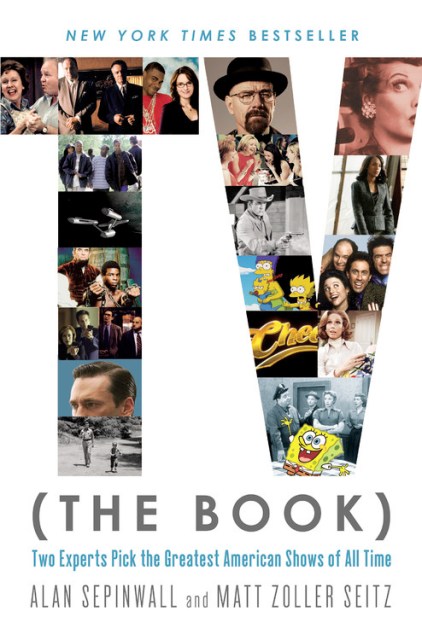
When Matt and I began talking about doing a book that would name the 100 best shows of all time, our initial impulse was to just do it alphabetically, rather than attempting to rank them. Our editor on the project very wisely insisted that we do a ranking, which is how we ended up coming up with a ridiculous math formula in an attempt to quantify art.
It's been a little over 10 years since the book came out. Every now and then, Matt and I talk about doing an update, which would allow us to incorporate more recent shows like The Leftovers and Atlanta. It hasn't happened yet, but maybe one day.
Breaking Bad 101 (2018)
 Alan Sepinwall Illustrator Max Dalton Foreword by Damon Lindelof
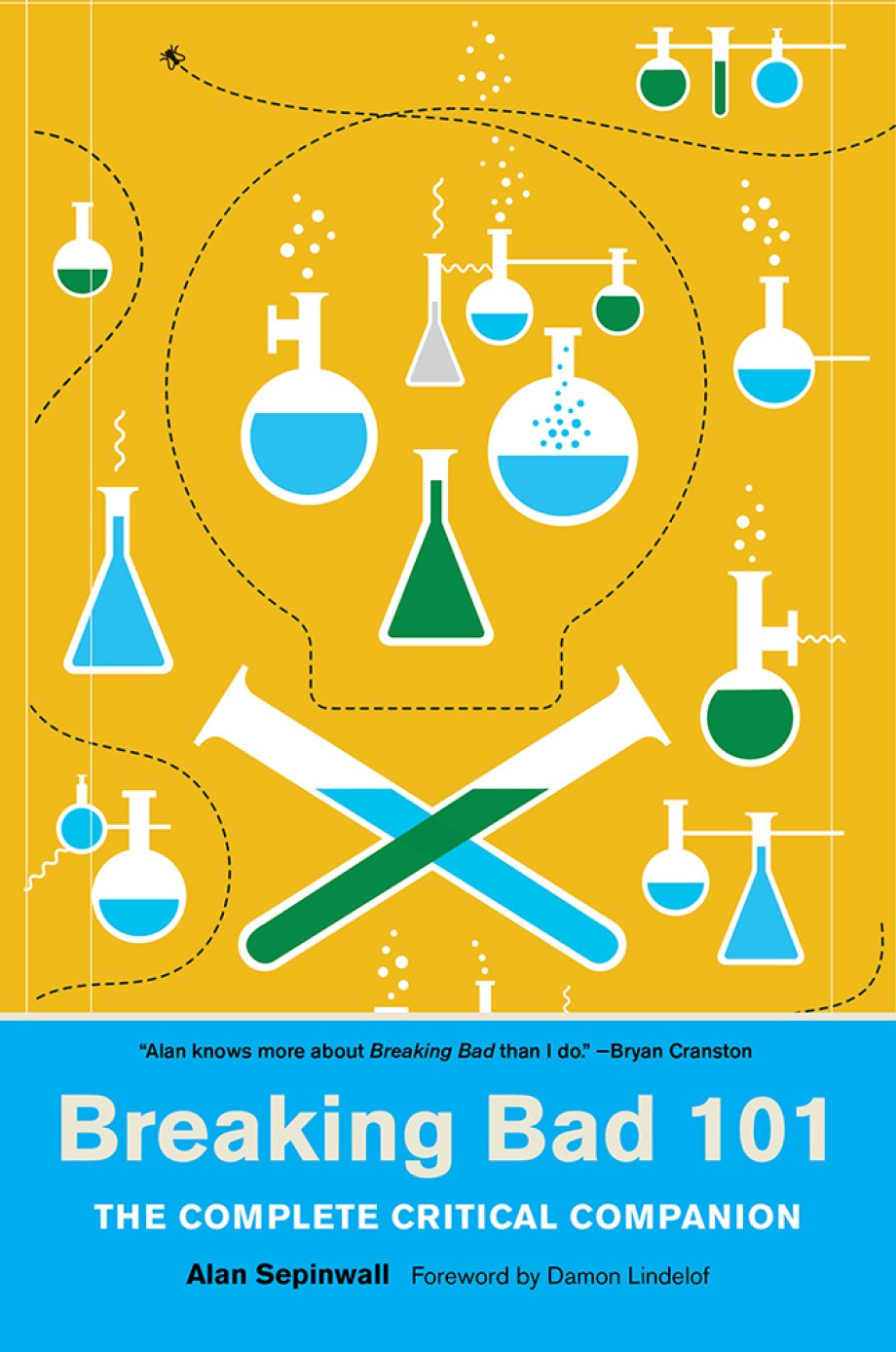
This was probably the most straightforward process of all these books. I covered most of Breaking Bad at a moment in my career when I finally had a firm handle on how I wanted to go in-depth in recapping the very best stuff on TV, so fewer revisions were required than when I was, say, revisiting the first seasons of The Wire that I recapped in the Blogspot days.
That said, my opinion of a lot of the first season had changed substantially from when I first recapped it, so it was nice to be able to rewrite most of those essays to reflect how I now felt. But on the whole, not much drama behind-the-scenes here.
The Sopranos Sessions (2019)
 Matt Zoller Seitz and Alan Sepinwall Foreword by Laura Lippman
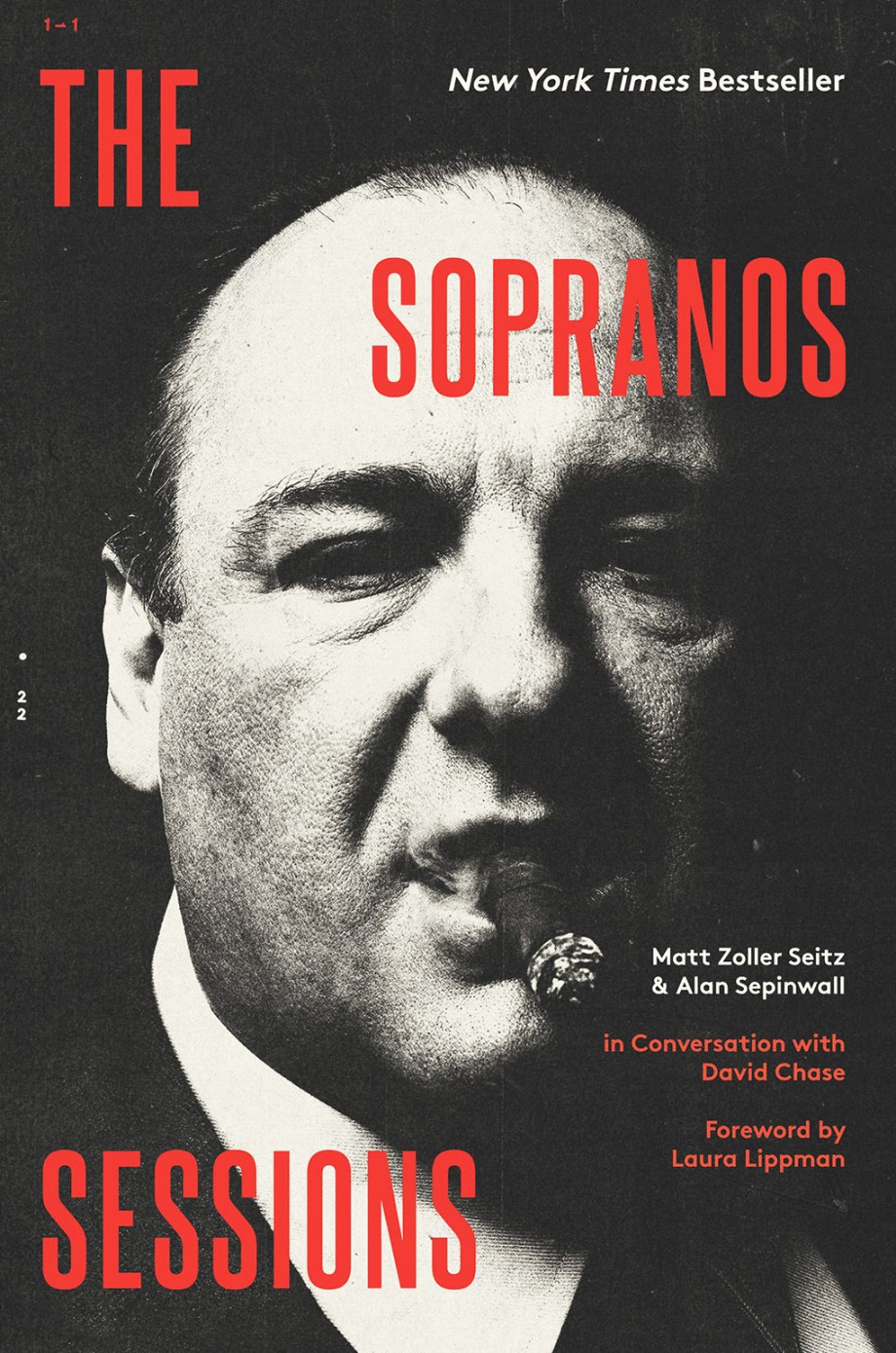
When Matt and I got Sopranos creator David Chase to agree to do a series of interviews with us for the book, we knew the single trickiest aspect of the project would be seeing what, if anything, David was willing to say about the end of the show. He hates explaining anything about his work, and that most of all. At the end of each interview — which we did at a French restaurant on the Upper East Side that David loves — David would leave, and Matt and I would sit there to postmortem. Each time, we broached the question of when we would ask about the final scene, and each time, we shrugged and declared it a tomorrow problem.
Each interview more or less covered a season of the show. While we were talking about one of the later seasons, but not the final season, I asked David if he remembered roughly when he realized he had an ending for the show he could start to steer towards. David was by that point so comfortable talking with us that he didn't realize what he was about to admit when he said, “I think I had that death scene around two years before the end."
As soon as the phrase "death scene" was out of his lips, it felt like Matt and I began to communicate telepathically.
Me: Did he just say "death scene"?!?!
Matt: "He did!"
Me: "Should we follow up on that, or will he just shut down if we try?"
Matt: "We have to do it."
So while I was paralyzed by fear, Matt Zoller Seitz, god love him, told David, "You realize, of course, that you just referred to that as a death scene." David was startled to realize this, then amused at how he had stumbled into a trap we didn't even realize we were setting. His eyes narrowed and he quipped, "Fuck you, guys."
As it turned out, the answer was more complicated than it seemed at first. David was specifically referring to a different ending, where Tony would clearly be losing the war with New York, and where the show would end with him driving into the Lincoln Tunnel — in a mirror of the show's opening credits — presumably to be killed by Johnny Sack.
But "death scene" very quickly entered The Sopranos lexicon, even if I wasn't even fishing for details about the ending when I asked that question.
Welcome to The O.C.: The Oral History (2023)


This one was a nice full-circle moment — a chance to write a real, thoughtful book on the same subject as the glorified pamphlet that was Stop Being a Hater — and one that was helped enormously by doing it in collaboration with Josh Schwartz and Stephanie Savage. The hardest part of doing an oral history usually isn't the writing, or even the interviews, but simply tracking down everybody and getting them on board. Josh and Stephanie could give me all the numbers and email addresses I needed. And because they were part of the project, it made it easy to get a quick yes from almost everybody.
The exceptions were three of the four leads. If you've read the book, you know that Adam Brody and Ben McKenzie had complicated experiences on the show, and weren't gung-ho to revisit that time. And on top of that, Ben was writing a book about crypto on almost the exact same timeline that I was doing this. He turned in his manuscript a few weeks before mine was due, so I had to wait until the very end of the process to interview him. But both guys ultimately agreed, and we had good, wide-ranging conversations.
Mischa Barton was the real challenge. If other people had complicated O.C. experiences, it's fair to say from the stories everyone else told that Mischa's time on the show was often extremely difficult, through no fault of her own. There was a long period of radio silence, followed by a brief window of communication that came to an end after a fan in a convention autograph line told Mischa something like, "You know, that guy who's writing the oral history book is the one who convinced Josh to kill off Marissa." This is a thing Josh once said in an interview with me, but as a joke! She didn't know that part, and whatever vague interest she had in participating went away after that. As my first draft deadline approached, I was preparing to use a bunch of archival quotes from previous interviews she had done. But after one last full-court press from me, Josh, and Stephanie, she agreed to a conversation. She was understandably guarded, but I was glad she got to tell at least part of her side of an emotionally fraught story.
Saul Goodman v. Jimmy McGill (2025)
 Alan Sepinwall
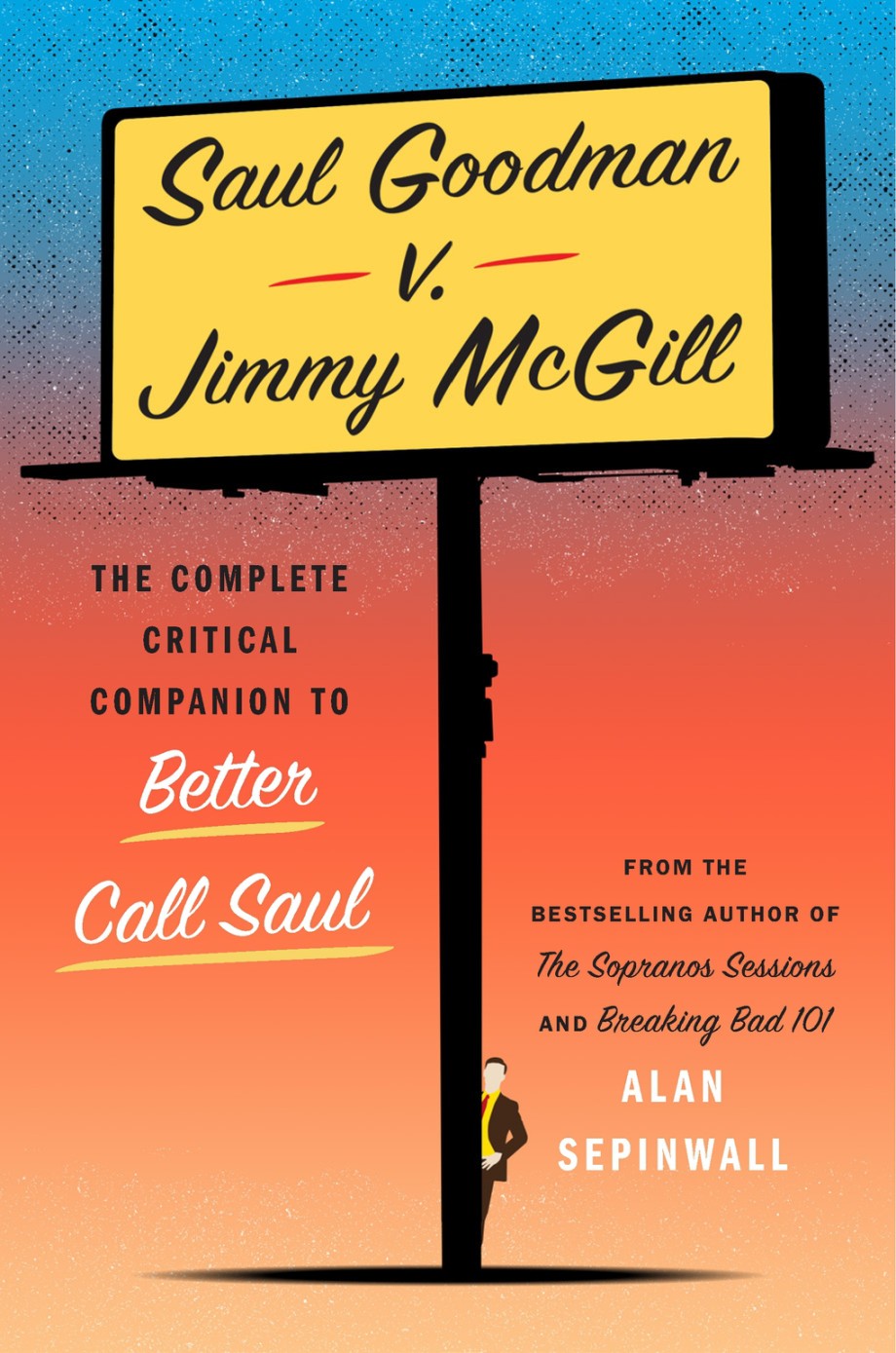
This was also pretty straightforward. But my early recaps of Better Call Saul spent a lot of time trying to figure out what kind of show Vince Gilligan and Peter Gould were making — mainly because Vince and Peter were also trying to figure out what kind of show they were making. Revisiting Saul after it was all over allowed me to focus less on that weird creative evolution and more on the emotional journey I knew Jimmy and Kim would be going on.
Also, I did two interviews with Peter for this. The second one was the night after Saul was blanked for the final time at the 2024 Emmys, finishing its run with a record-setting zero wins in 53 nominations. I expected Peter to sound bitter about it, but he had long since made peace with the likely shutout, and we had a good conversation about the bad timing that kept Bob, Rhea, and everyone else from getting at least one or two trophies over the years.
Serling (2026)
 Alan Sepinwall
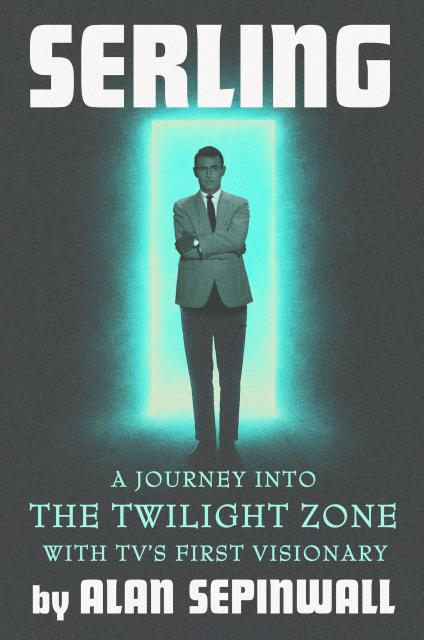
One of the big things I wanted to accomplish with Serling was to interview as many of the famous Twilight Zone fans as possible, in order to show that — contrary to Rod Serling's belief that his work would be quickly forgotten — the series' legacy and impact had only grown in the 60 years since it ended.
For the most part, I went after the obvious ones: J.J. Abrams, Guillermo del Toro, Steven Spielberg, etc. But when I would have conversations with other creators I know, I would ask them if they were Serling fans. More often than not, they said yes; Pamela Adlon named one of her kids after Rocky Valentine, the gambler who goes to Hell in the episode "A Nice Place to Visit."
The biggest surprise was a total accident. I was in LA to moderate a PaleyFest panel for the 20th anniversary of It's Always Sunny in Philadelphia, and spent the day prior to the event returning to the Serling archives at UCLA. In the green room before the panel, Rob Mac, making small talk, asked what else I was up to while I was in town. I told him about the book. His eyes lit up, he grabbed my forearm, and he said, "Alan, you have to talk to me for this book. Rod Serling is one of my biggest heroes!"
Now, when you have conversations with celebrities often enough over the years, you learn that a lot of them say things just to say them, without necessarily meaning it. I like Rob, and I love Always Sunny, but I assumed 1)This interview would never happen, and 2)If it somehow did, I would have a hard time drawing a line between Serling and the adventures of Mac, Dennis, Charlie, Sweet Dee, and Frank. But Rob was serious about all of it. Not only was he one of the two or three most insightful of all the celebrity fans when it came to why Twilight Zone was so special, but by the time we were done talking, I could absolutely see the connection between Rod's work and Rob's.
It's nice when you can allow life to surprise you.
All in The Game (2027)
 Alan Sepinwall
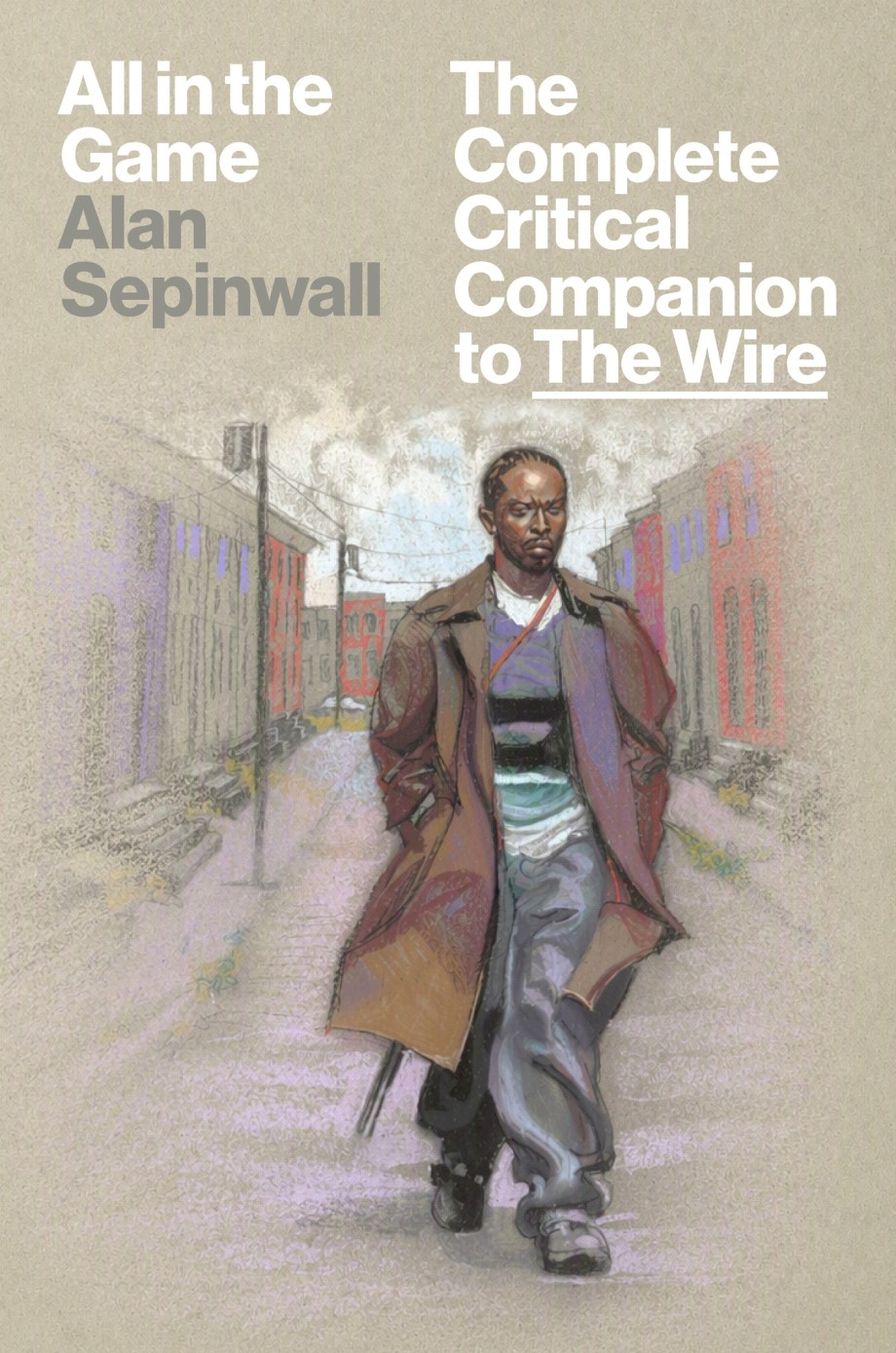
All in the Game was the first time I wrote about The Wire in the proper order. When the series debuted in 2002, I wasn't doing any kind of regular recapping, and the only stuff I wrote was my column in The Star-Ledger. But I had launched the original version of What's Alan Watching? before the fourth season, which is where I began recapping the series. When Season Five ended, I was so reluctant to leave West Baltimore that I made Season One recaps that summer's big project. The next summer, I did Season Two, and when I moved to HitFix, I wrapped up the series with the third season.
This time, though, I was bingeing the series in order, and editing and rewriting each essay in order. It's a far more sensible way to write about a television show, I've found.
That's it for today! What does everybody else think?
