

Today's Friday Check-In newsletter coming up just as soon as I believe body wash is a fad...
In The Twilight Zone Zone
 Alan Sepinwall
Last night's Serling event at Words in Maplewood was a lot of fun. Here's photographic evidence that Kathryn VanArendonk and I are capable of appearing in the same physical space:
If you're reading this and in the New York area today, you can come see me at the Paley Center late this afternoon talking about Serling with museum curator Jason Lynch:

Meanwhile, two of my obsessions — Rod Serling and the New York Knicks — intersected twice over the last week. I was a guest on the Knicks Film School Podcast, where host Jonathan Macri and I talked about the current Knickerbocker season, but also about Serling and Twilight Zone, as well as Jalen Brunson's surely award-winning dramatic work on Law & Order: SVU:
I also had a great conversation with CBR's Brian Cronin, whom I've known in online Knicks and comic book-related spaces for close to 20 years now:
 Brian Cronin
Catching up
Here's what I've published since last Friday's newsletter:
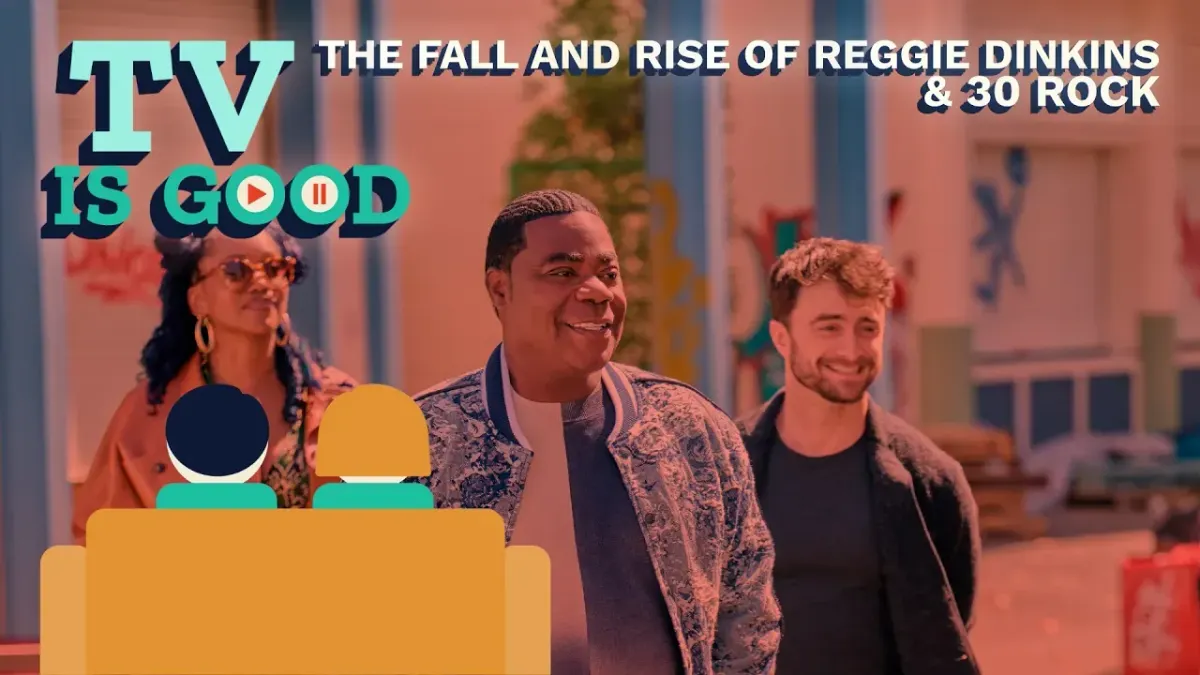
- In a new episode of TV Is Good, Kathryn and I went with a double dose of Tracy Morgan, talking about The Fall and Rise of Reggie Dinkins before going back to two classic 30 Rock episodes where Tracy Jordan was up to no good:
 Alan Sepinwall
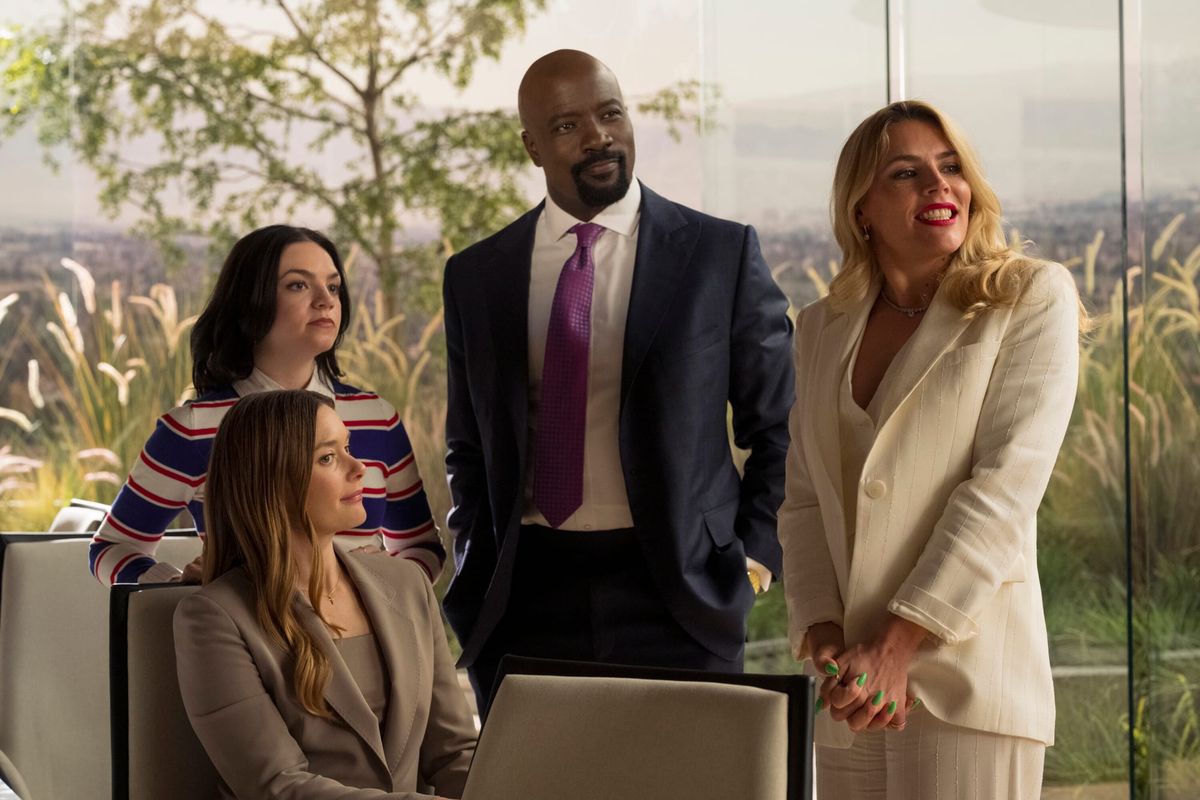
- I reviewed the fun CBS legal procedural Cupertino in the aftermath of my favorite episode so far:
 Alan Sepinwall
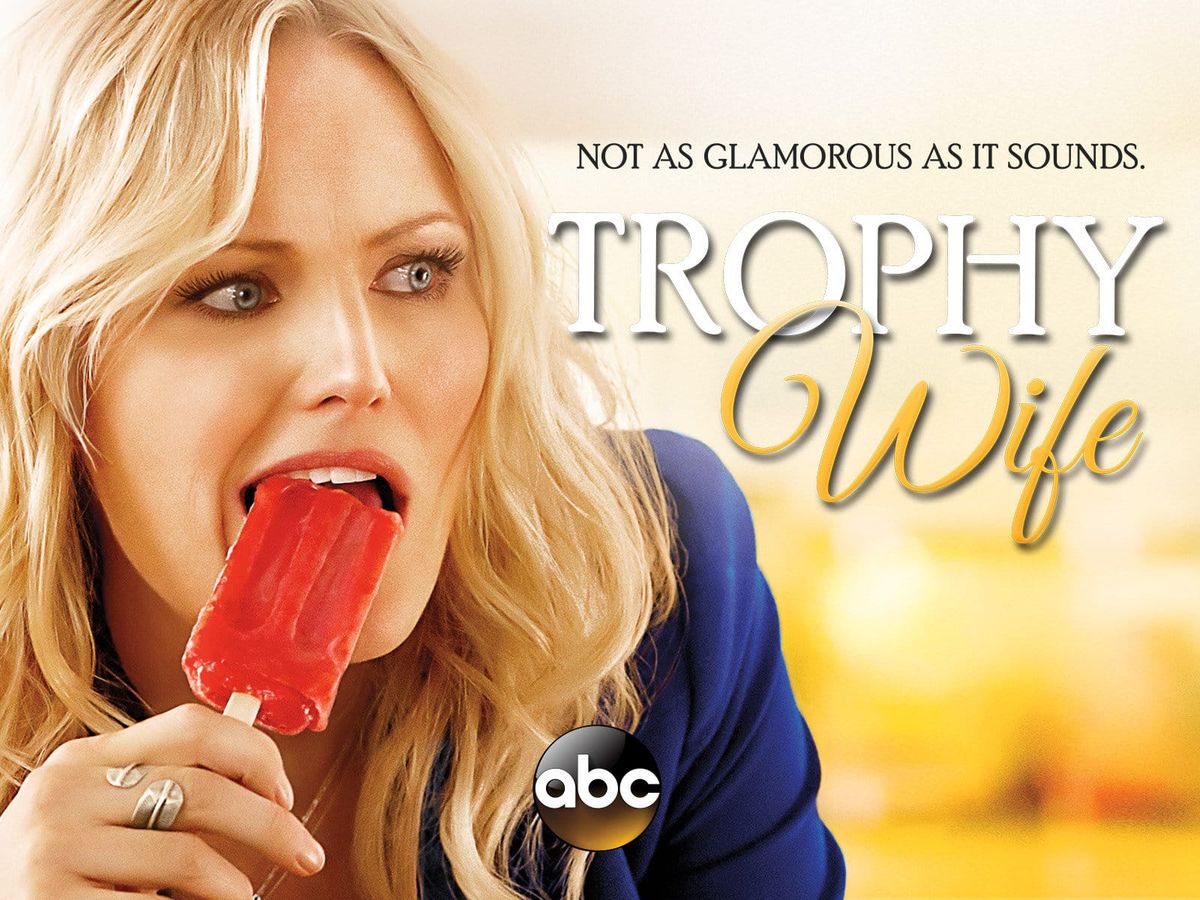
- For What Else Is Alan Watching? bonus tier subscribers, I looked at the unfortunate history of good TV shows saddled with bad titles:
 Alan Sepinwall
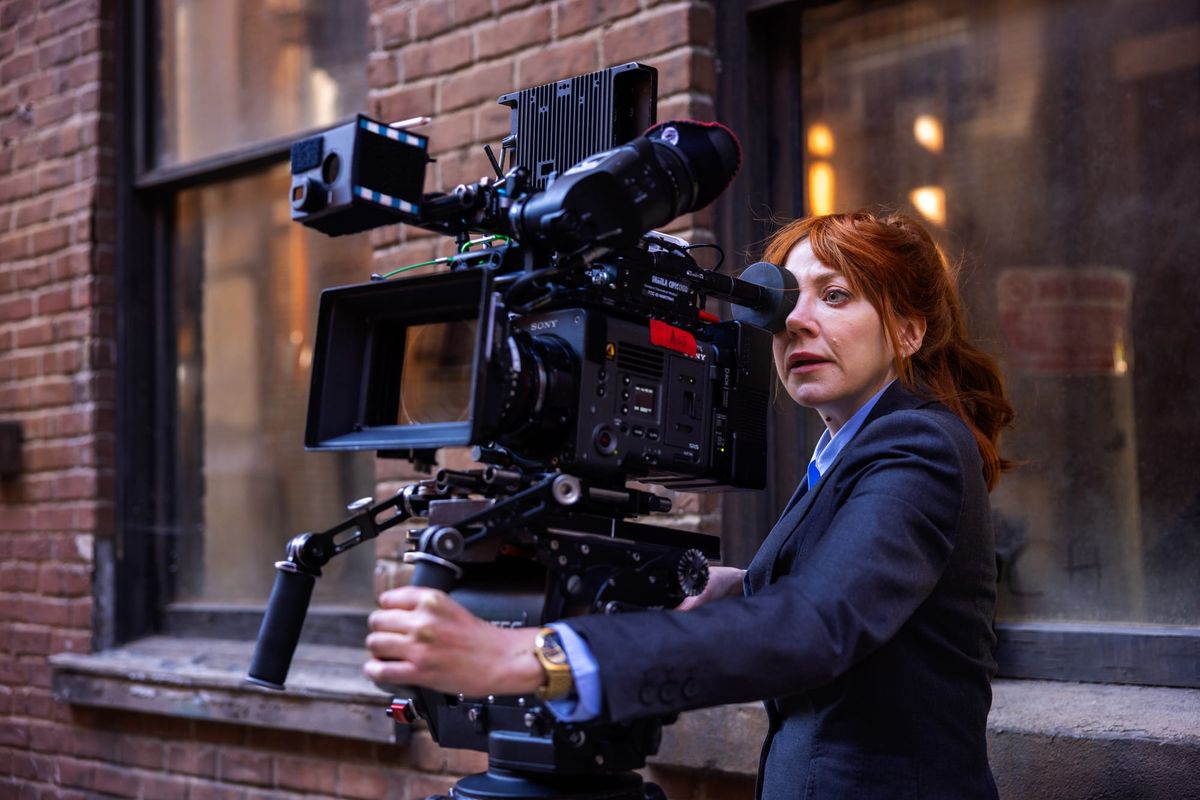
- I reviewed the latest comedy featuring Diane Morgan as world's worst interviewer Philomena Cunk, Netflix's Cunk on Cinema:
 Alan Sepinwall
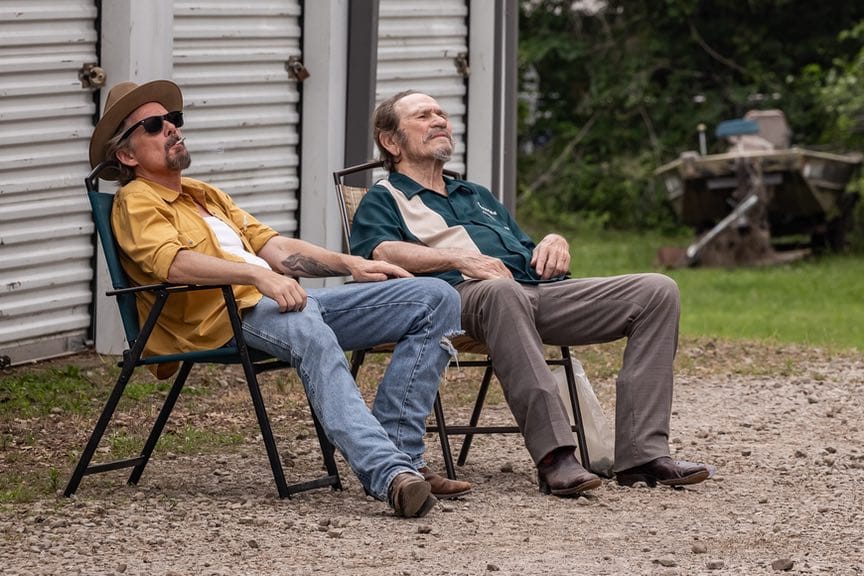
- I recapped this week's fantastic episode of The Lowdown, which featured astonishing work from Ethan Hawke and Tommy Lee Jones:
 Alan Sepinwall
What's next?
Here's some of what to look forward to over the next week or so:
- It's an all-quirky small towns edition of TV Is Good, as we talk about current series Best Medicine and North of North, then look back at the show to which they both owe a creative debt, Northern Exposure. Best Medicine is airing on Fox and streaming on Hulu, North of North is on Netflix, and Northern Exposure is available for digital purchase. No homework required, though our discussion will mostly center on the pilot episode and Season One's "Aurora Borealis."
- A recap of the next episode of The Lowdown.
- Thoughts on the latest prestige scammers miniseries, Netflix's The Altruists, about the rise and fall of the FTX crypto exchange.
Odds and/or ends
- Stacy Keach died this week at 85. An incredible career as a character actor, with far too many roles to list here. His 1970s boxing film Fat City is a classic. Among his notable TV gigs: playing Mickey Spillane's hard-boiled detective hero Mike Hammer, and hilariously playing a bullying sitcom dad on Titus. He also stepped in for Rod Serling as host of The Twilight Zone Radio Dramas. Like Rod, Keach had a voice that sounded like nobody else's, and that didn't have to work too hard to terrify. For decades, if you wanted a guy to scowl so convincingly that the audience felt the need to move back in their chairs, you got Keach. But he also had perfect control over his instrument, so that he could use it just as easily to get laughs as to intimidate, like a 30 Rock running gag where Jack was trying to market the world's most uncomfortable couches:
- Great news: FX has ordered a third season of Adults, one of the best and funniest comedies on television right now. (I'd like to think it benefited from the TV Is Good bump?) Spectacular news: the third season will have 16 episodes. No, it's not quite back to the length of a traditional broadcast network sitcom season, but 16 is a whole lot closer to what works best, especially for a hangout comedy like this where the value comes from how much time you spend with these lovable goofballs. More like this, TV!
This is a review: Blue Lights Season Two
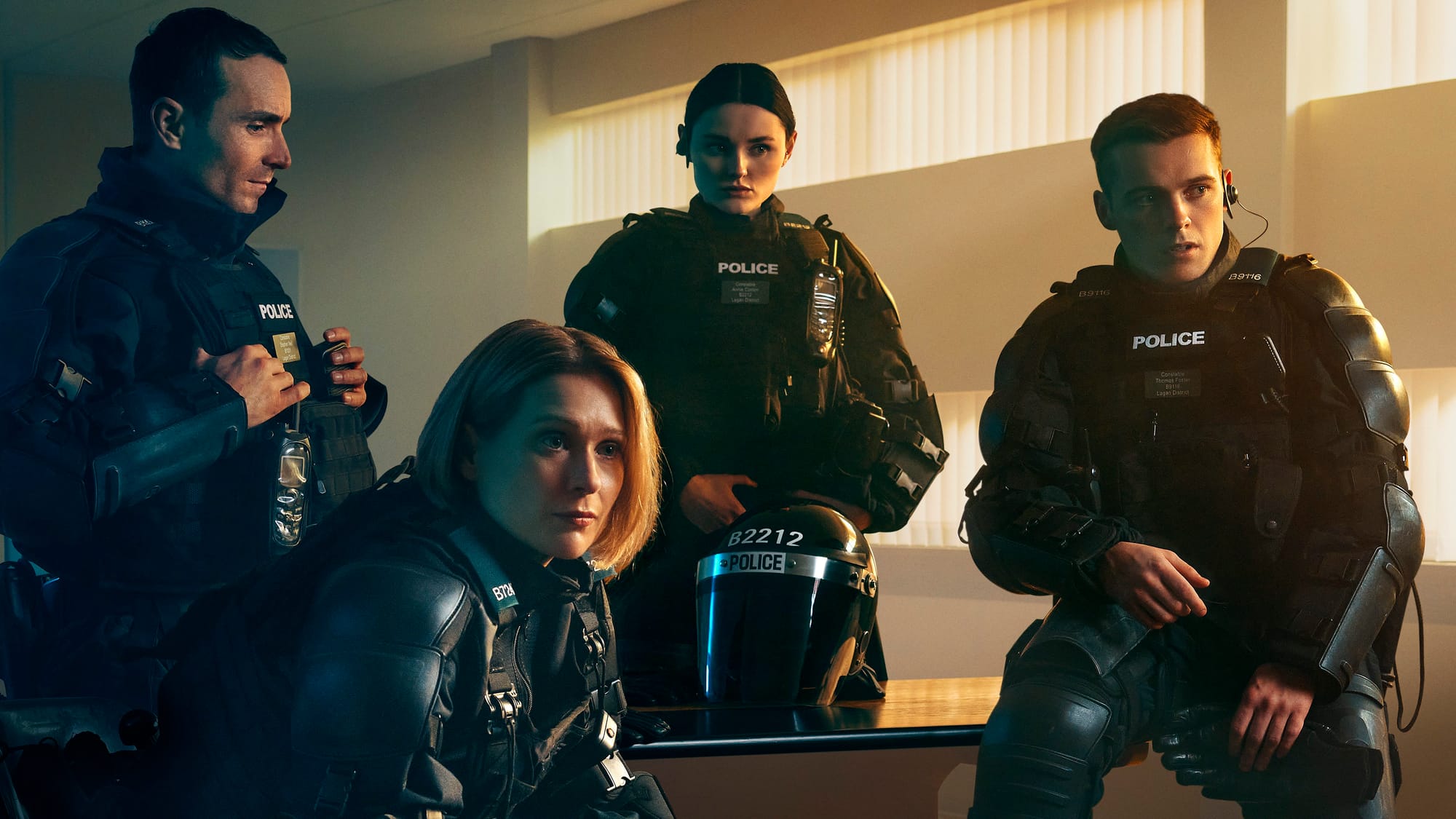
Often, I devote this kind of space in the Friday newsletter to a few paragraphs about shows I only watched a few episodes of. Sometimes, though, it goes to a show where I watched the whole season but don't have a ton to say. This week, it's the latter. The Belfast cop drama Blue Lights is back with its fourth season on BritBox. I wrote about it at length a year ago, and said most of what I had to say on the subject at the time.
 Alan Sepinwall

Season Four is notable in a few ways. The show's creators left at the end of it to do other projects. And while it's entirely possible the show continues without them, they wrote this batch as the end to their story. There's closure by the bucketful, and lots of looking back over this entire four-year run. (This includes an entire flashback episode devoted to the romance of Gerry and Sandra Cliff. On the one hand, flashback episodes are often a bad choice, particularly in shows like this that only make six episodes a season. On the other, it's a whole hour of watching Richard Dormer play Gerry, so there are pleasures to compensate for the prolonged narrative detour.) It's also even more overtly influenced by The Wire this time out, with a big subplot about the cops having to play games with the crime stats to deal with a budgetary crisis.
It's a very good show. If this is the end, it concludes well. If it's not, the new creative team will have a lot of work to do to continue the story, with these characters, past the point at which the creators chose to leave everyone.
Gunn gets fired
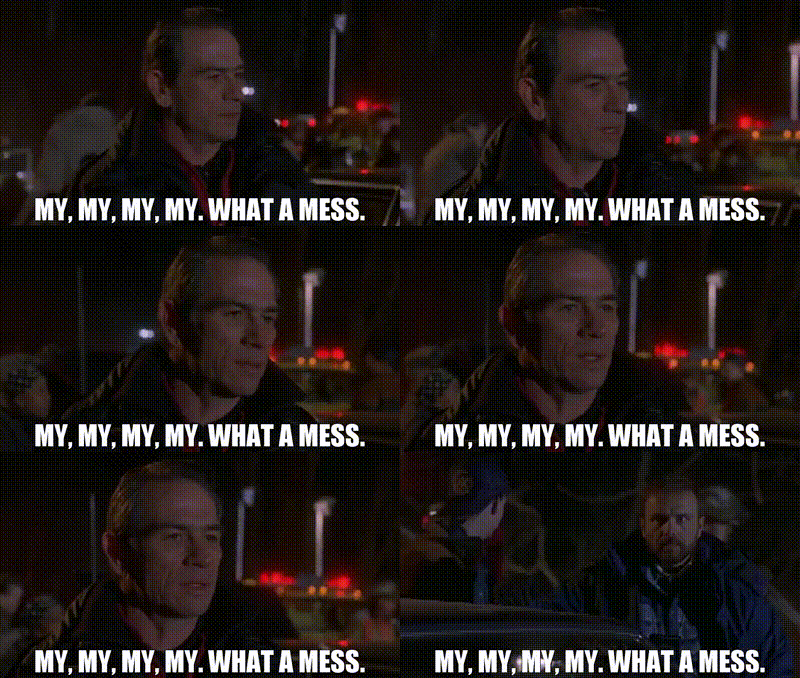
Speaking of Tommy Lee Jones, when it comes to cinematic universes based on comic books, my thought often goes to his entrance in The Fugitive:
News broke earlier this week that James Gunn and Peter Safran were out at DC, four years after they were asked to rescue the company's movie and TV division from the disaster it had become by the end of what was called the DC Extended Cinematic Universe. They're the latest casualties in Skydance's purchase of Warner Bros. Discovery and all its assets.
They've been replaced by former Marvel exec Jeremy Latcham, who will... have to start all of this over again? Maybe? The reporting over the last week has sent out mixed messages — often with sketchy sourcing at best — about everything that's going to happen. We know that a few of the projects Gunn and Safran greenlit will still see the light of day, notably Gunn's second Superman-led film, Man of Tomorrow. But it's unclear exactly how much will survive. One report noted that Lanterns has yet to be renewed, which was then presented as proof that Lanterns had been canceled, even while Halt and Catch Fire co-creator Christopher Cantwell, who's been part of the Lanterns Season Two writers room, vented online on Wednesday night, "Nothing’s cancelled. Calm down."
What seems likely is that 1)New management wants to bring in their own people, which is a thing that happens at every company in every industry, whether it's a good idea or not; 2)The relative grosses of Spider-Man: Brand New Day and Superman raised questions within Skydance about Gunn and Safran's commercial instincts, even though historically Spider-Man has been a much more successful film character than Superman; and 3)Skydance was unhappy that Gunn and Safran spent a lot of time on less iconic characters like Clayface and Peacemaker than on the big guns, and that they let Batman stay out of the new DCU at least until Matt Reeves could wrap up his own set of films.
I won't pretend that Gunn and Safran's reign was perfect. But Superman was by far the best screen take on that character since the first couple of Christopher Reeve films. Peacemaker (which began before Gunn got the big job, and is one of the few DCEU projects to get absorbed into the DCU) was often wonderful (even if I disliked its finale), but nobody seemed to like Supergirl, and it did seem like Gunn's fondness for the weirdest corners of comic book universes was guiding his decision-making more than was probably prudent. Even something like Lanterns, with one of DC's more notable characters outside the Big 3 of Superman, Batman, and Wonder Woman, was a mixed bag, unsure whether it wanted to be a superhero story, a murder mystery, or something stranger than either one of those.
But if new management's goal is to get a Justice League on screen as fast as possible, well... isn't that rush to reverse-engineer the rise of the MCU the reason the Snyder-verse fell apart? What Kevin Feige was able to accomplish with Marvel happened in large part because of two circumstances that are hard to replicate. First, expectations were low. Marvel had foolishly sold away the rights to most of their big-name characters like Spider-Man and the X-Men, and no one assumed that films built around Iron Man and Captain America would have much of an impact. Second, Marvel Studios was left alone for a long time. Even after Disney acquired Marvel, what Feige was doing was so clearly successful that there wasn't much corporate interference. It wasn't until the launch of Disney+, and the mandate for Marvel to start churning out lots and lots of product for the streamer, that the seams really started to show on the whole MCU project.
I wish Jeremy Latcham luck. As someone who grew up reading the adventures of all of these characters, I would just like their live-action adaptations to be good. That just seems increasingly hard to accomplish in the current environment.
That's it for today! What does everybody else think?
