

In a case of extremely less-than-ideal timing, I've been knocked out for the past week by some health stuff. This means I've had to ease back a bit on promotion for Serling as we get closer to its publication day on Tuesday, October 13. It also means, unfortunately, that I've had to go into low-power mode here at What's Alan Watching? for a little bit. Sorry about that. Doing what I can, when I can. Let's hit some topics quickly in the meantime:
In The Twilight Zone zone
 Alan Sepinwall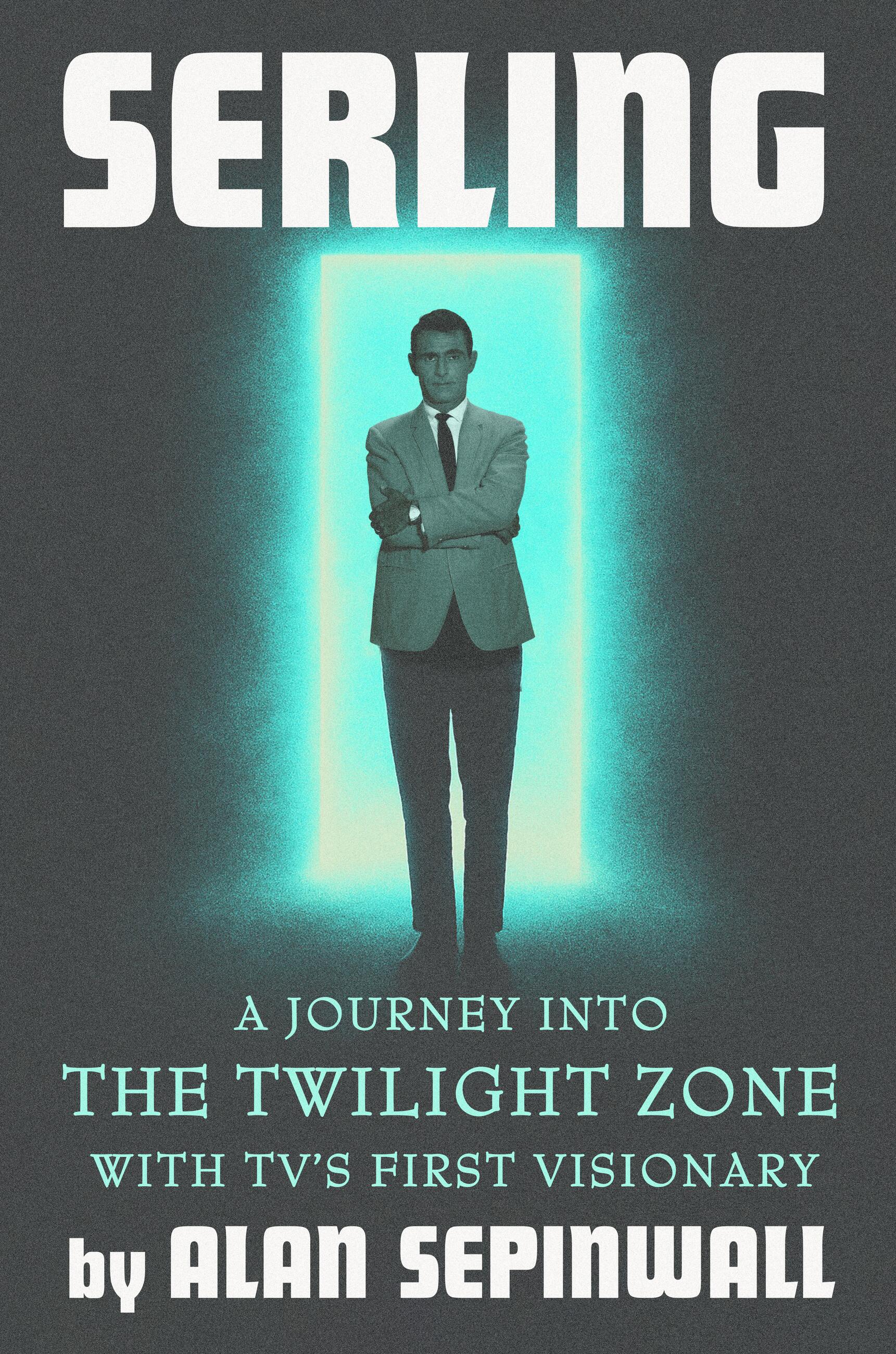
Again, Serling: A Journey Into The Twilight Zone with TV's First Visionary will be available wherever books are sold in America starting on Tuesday, October 13. Hopefully, once it's out and a massive success (fingers crossed?), international rights can be sorted quickly for those of you who live overseas. You still have a few days to preorder, which means you still have a few days to get the free bonus essay on my favorite Twilight Zone episode.
(I also think there are still copies of the book available for early purchase at the Hachette booth at New York Comic-Con, #3445, though unfortunately I wasn't able to get to the Javits to sign them myself.)
I might have to take it easy next week, too, which means we're postponing both the Worlds event in Maplewood and the Paley Center in Manhattan until November. More details on that when I'm more focused.
In the meantime, a few notable bits of pre-publication coverage. First, I wrote an essay for The New York Times Opinion section about how prescient Serling was, and how he figured out how to use allegory and metaphor to write about the subjects the sponsors wouldn't let him cover more directly:
Meanwhile, my old friends at Rolling Stone ran an excerpt from the book today, where famous Twilight Zone fans like J.J. Abrams, Vince Gilligan, and Rian Johnson talk about what made the series so great:
 Alan Sepinwall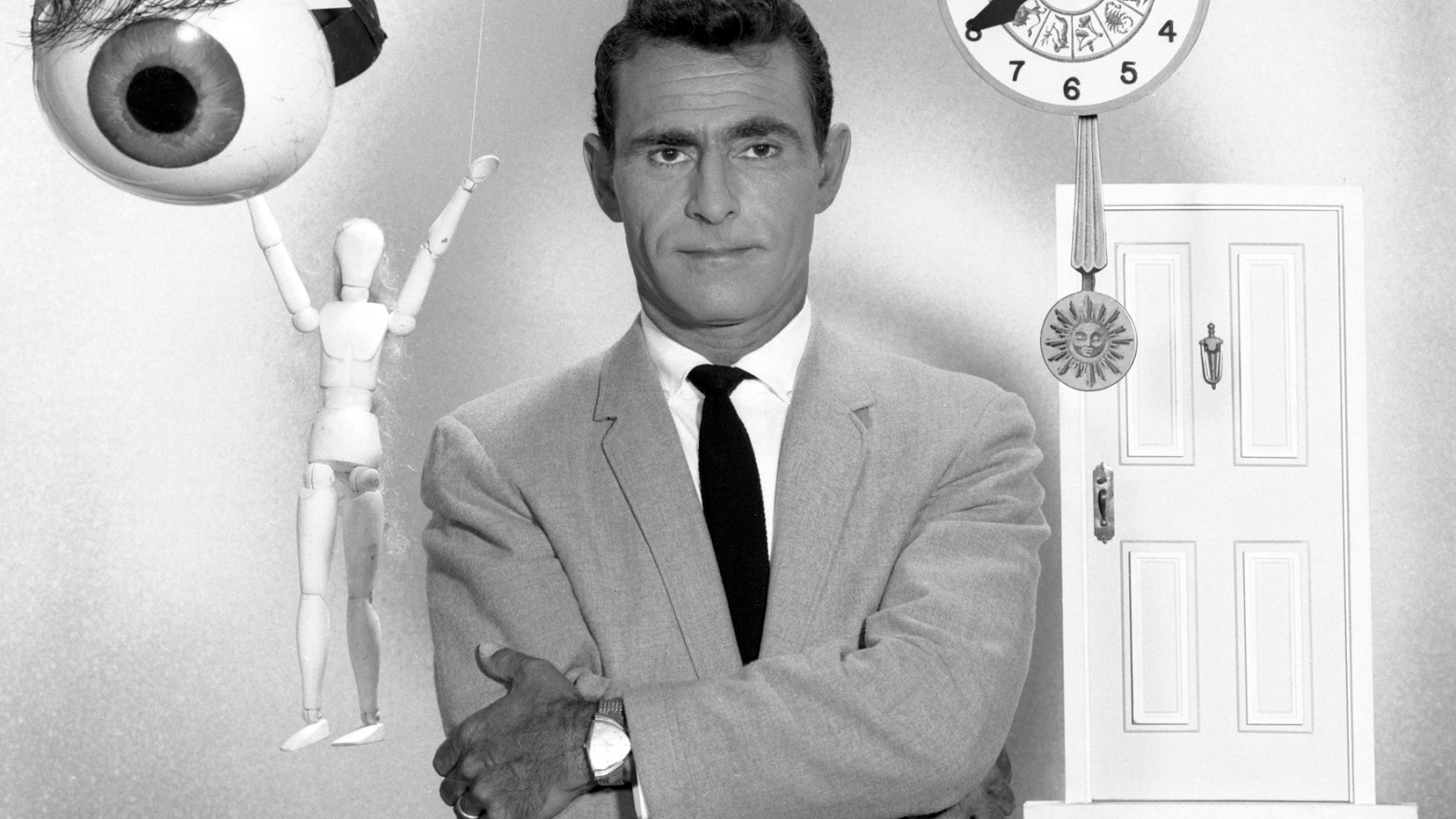
I talked with Matt Singer (who has his own new book out) about some of Serling's best non-Twilight Zone scripts, including the 1964 political thriller movie Seven Days in May, the 1956 teleplay "Requiem for a Heavyweight," and the Night Gallery episode "They're Tearing Down Tim Riley's Bar." Serling's career was about so much more than Twilight Zone — TZ was basically his second act after he first became famous as Sorkin-before-Sorkin — and I appreciated the chance to talk about the less famous but still great ones:
 Matt Singer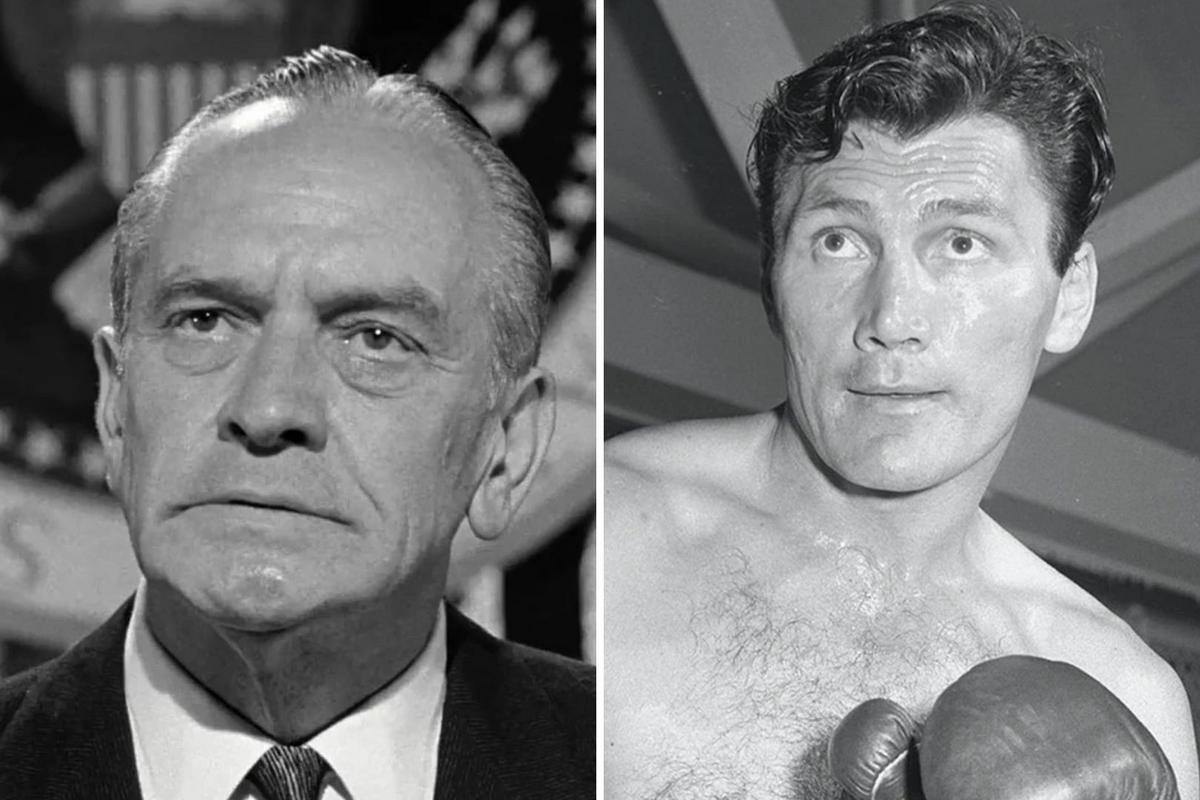
And I guest-starred on the Watch With Jen podcast to talk about Serling's writing for the small screen and the cinema. Next week, there will be more podcast appearances, and I'll be posting my own non-paywalled excerpt on Tuesday, of an entire chapter, covering Rod's service as an Army paratrooper during World War II.
I'm really proud of this book, and I hope you can give it a shot.
What else is next?
Again, much of this depends on my energy and focus level. But after mostly skipping Slow Horses this week, I'd like to get back into covering next week's episode. I'm also very excited about the return of Ethan Hawke in The Lowdown — with Tommy Lee Jones and Betty Gilpin joining the cast — and intend to do weekly coverage again, even if said coverage might have to wait a week or so. And if you didn't watch Season One and wonder what all the fuss is about, try the essay I wrote the day FX went out on a limb and renewed the show despite relatively small viewership:
 Alan Sepinwall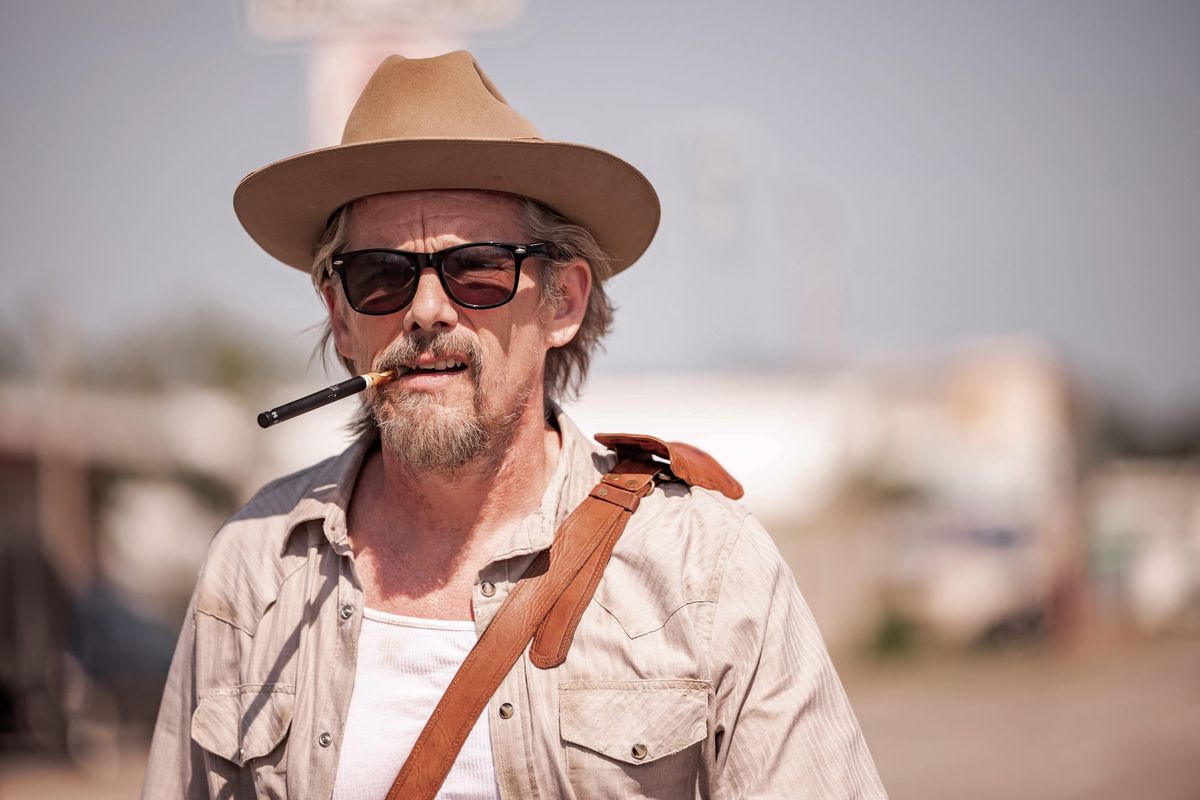
I'll weigh in on the return of The Diplomat at some point this month, even if it's not right away.
VisionQuest, essentially the final new live-action show of this era of Marvel television, will be debuting next week. I will write about it at some point, even if it's not next week.
There will also be a very special fill-in host for the next episode of TV Is Good, since I've been ordered by Kathryn to take it easy. I suspect you may have heard me mention this person once or twice before.
And I do need to write something about the current season of Scrubs, but ironically am prevented from it because I am not feeling great.
Catching up
I managed to get a few things written in advance of this week, including my recap of the Lanterns season finale:
 Alan Sepinwall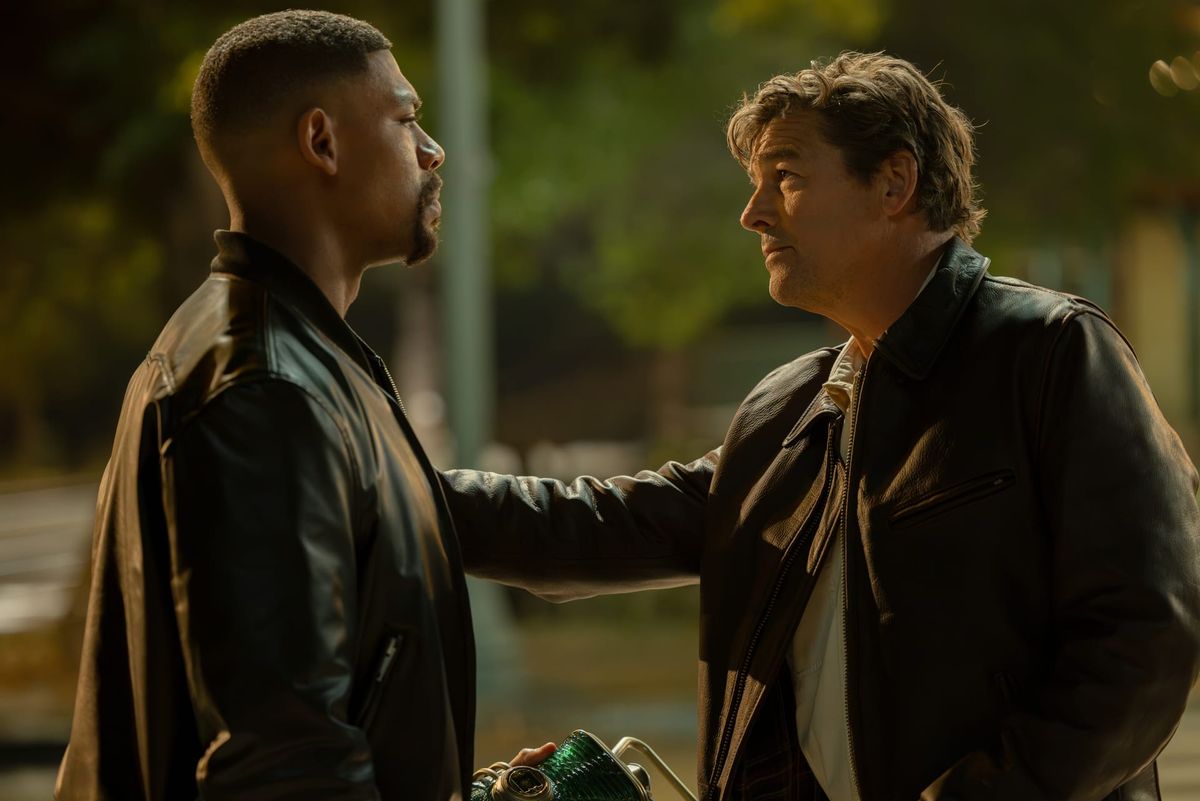
In the latest episode of TV Is Good, Kathryn and I talked about Zoe Kazan's new East of Eden adaptation, then rewound to the beloved 1989 TV version of Larry McMurtry's Western epic Lonesome Dove, since a new take on the book will be Kazan's next project with Netflix:
 Alan Sepinwall
For What Else Is Alan Watching? bonus tier subscribers, I did a new Ask Alan mailbag looking back at The Many Saints of Newark, who recaps are for, and whether some shows are better off as one-and-done:
 Alan Sepinwall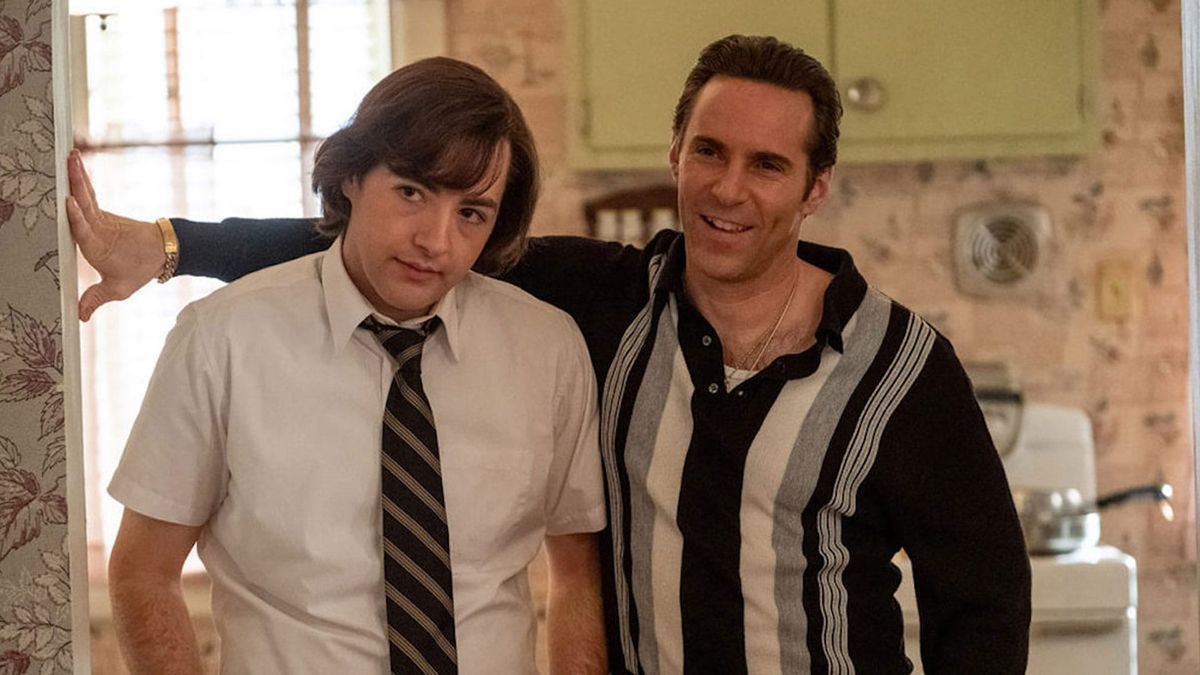
The spoiler zone: Ted Lasso finale and Slow Horses
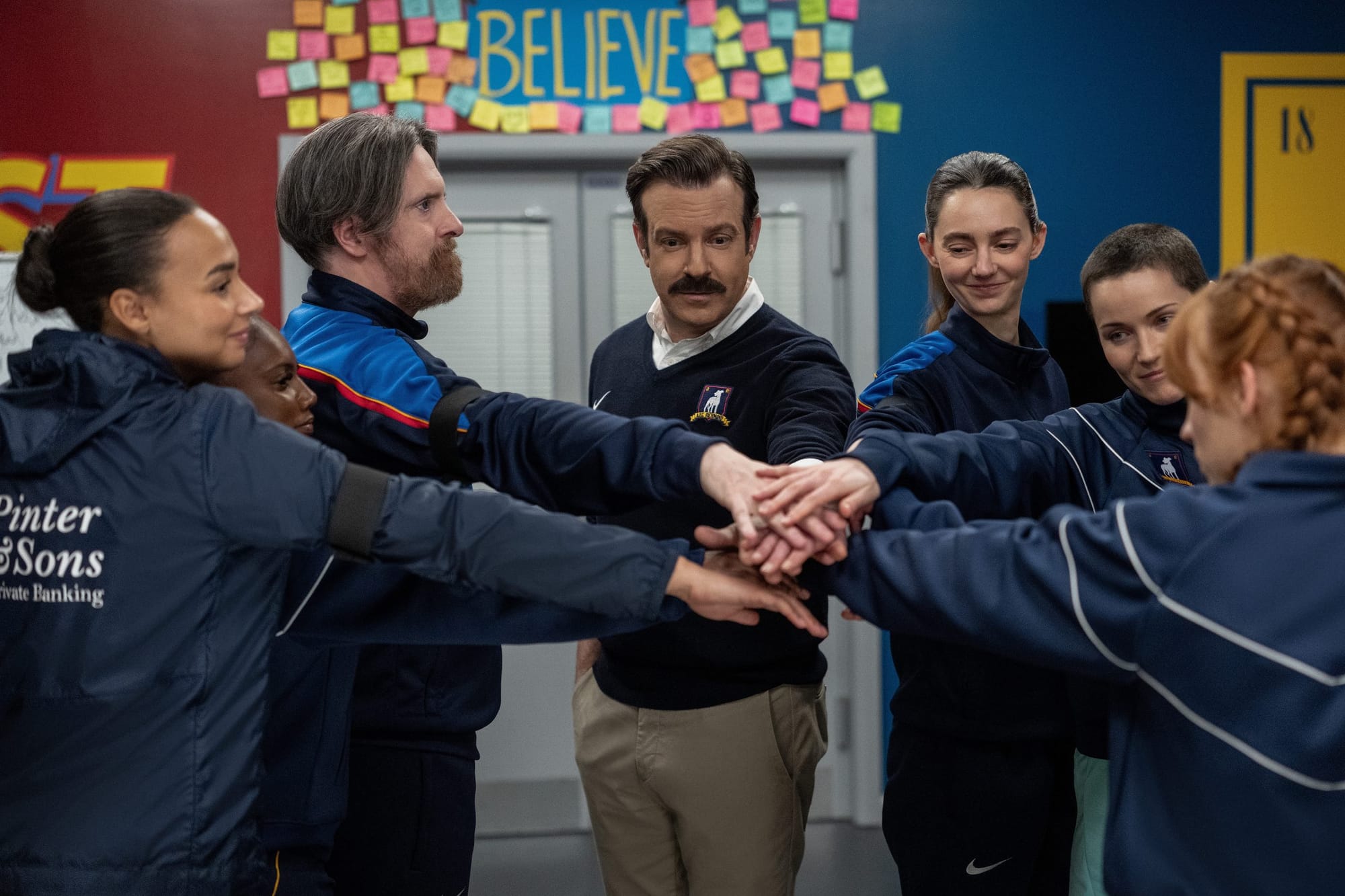
Finally, let's do a paragraph apiece on this week's episodes of, in order, Ted Lasso and Slow Horses, with spoilers for both:
- The Ted Lasso finale felt a bit like the season in microcosm. It was too long, and much too focused on the legacy characters at the expense of the newcomers. The players barely got anything to do, and even Alice's big moment — getting promoted to head coach after Ted decides to take a step back so he can spend more time with Henry — felt much less about her than Ted and the other veterans. Rebecca and Matthijs barely qualify as an interesting relationship, and he doesn't qualify at all as a fleshed-out character, so building the climax of her season's story around her proposing was underwhelming. Sending Roy off to coach Chelsea in theory will make it easier to balance stories among new and old characters next year, since if Roy appears at all, it will only have to be in support of Keeley. And we'll see if the TV show Ted Lasso will be as willing to take a step back from its title character as he seems to want to. He barely needed to appear in many episodes this season yet his name's in the title and Sudeikis is still the most famous member of the cast. So... I'll approach a theoretical fifth season with caution.
- Meanwhile, few deaths on Slow Horses have bummed me out more than losing J.K. Coe, who in many ways it the quintessential Slow Horse: a man whose mind and life were completely broken by the work he did for the British government. He was so creepy, and so funny. (Though what happened to the running gag about him only listening to podcasts?) That said, part of the reason the show works as well as it does as both comedy and drama is that characters routinely die, and between Lamb, River, Catherine, and Roddy, there are already plenty of Slough House vets with pretty secure plot armor. And if Coe was going to die, they made sure he died really well. Jim recognized the push knife for what it was, to Coe's delight. Coe seemed pleased to be able to fight an assassin on behalf of River and Sid (whom he'd only just met, but liked as much as he's capable of liking anyone). And though he lost in the end, he gave an impressive accounting of himself for someone who is not, like Jim, a trained assassin. I'll miss the man responsible for maybe the single funniest moment in Slow Horses history (the falling paint can), but if you feel like you periodically have to kill off long-running characters, this is how to do it.
That's it for today! Take care of each other out there!
