

This week's Friday Check-In coming up just as soon as I hire Janelle Monae, Ariana Grande, and someone else tiny to play at my kid's bar mitzvah...
Catching up
Here's what I've published since last Friday's Check-In:
- The sad news that Sopranos co-star Vincent Pastore died last week prompted me to look back to how Pastore was so good, he inspired one of the few significant times David Chase changed his mind about where a story on that show would go:
 Alan Sepinwall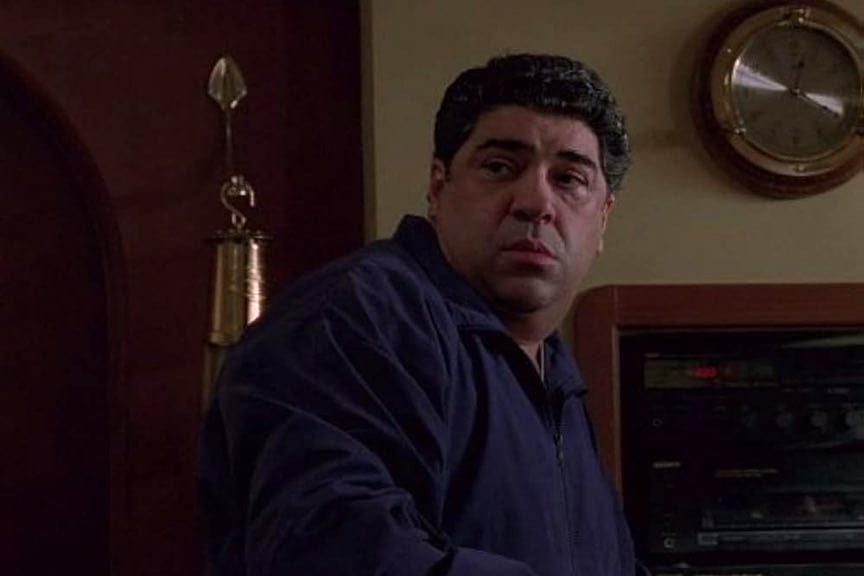
- On the latest TV Is Good podcast main feed episode, Kathryn and I went for a Liz Meriwether double-feature, talking about her new Hulu crime thriller and then a classic episode of New Girl:
 Alan Sepinwall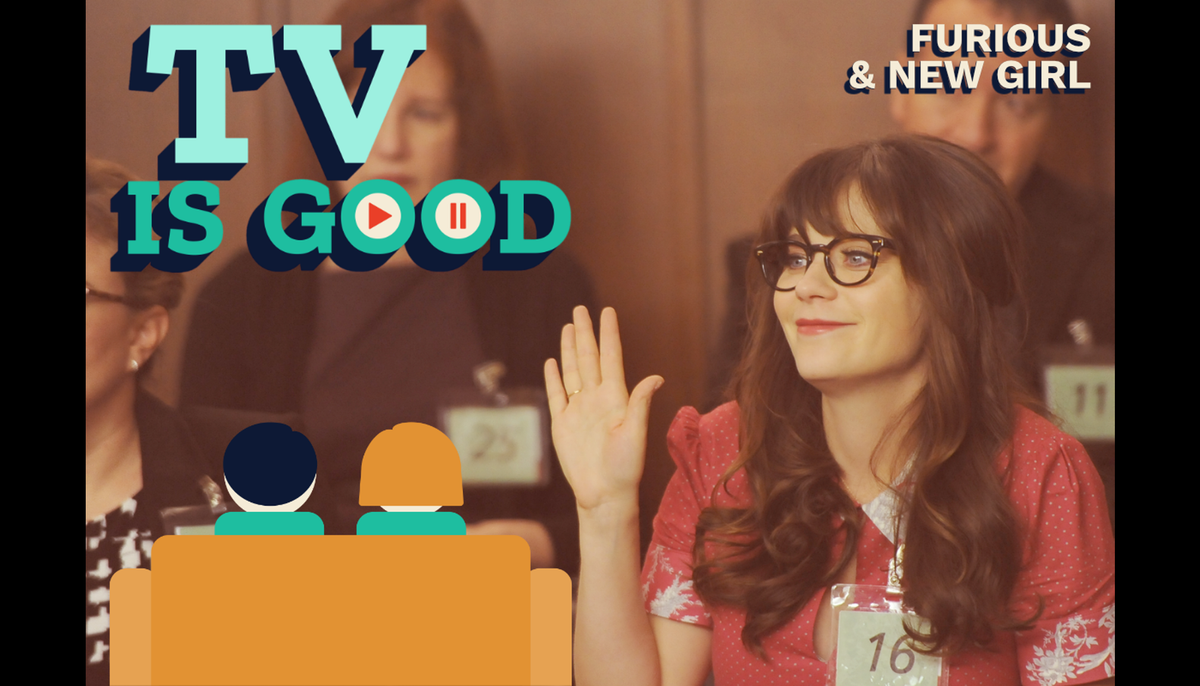
- A new month also means a new episode from the TV Is Good Patreon, with a totally normal and relaxed conversation about The Leftovers Season Two premiere.
- I reviewed Prime's entertaining new YA drama Sterling Point:
 Alan Sepinwall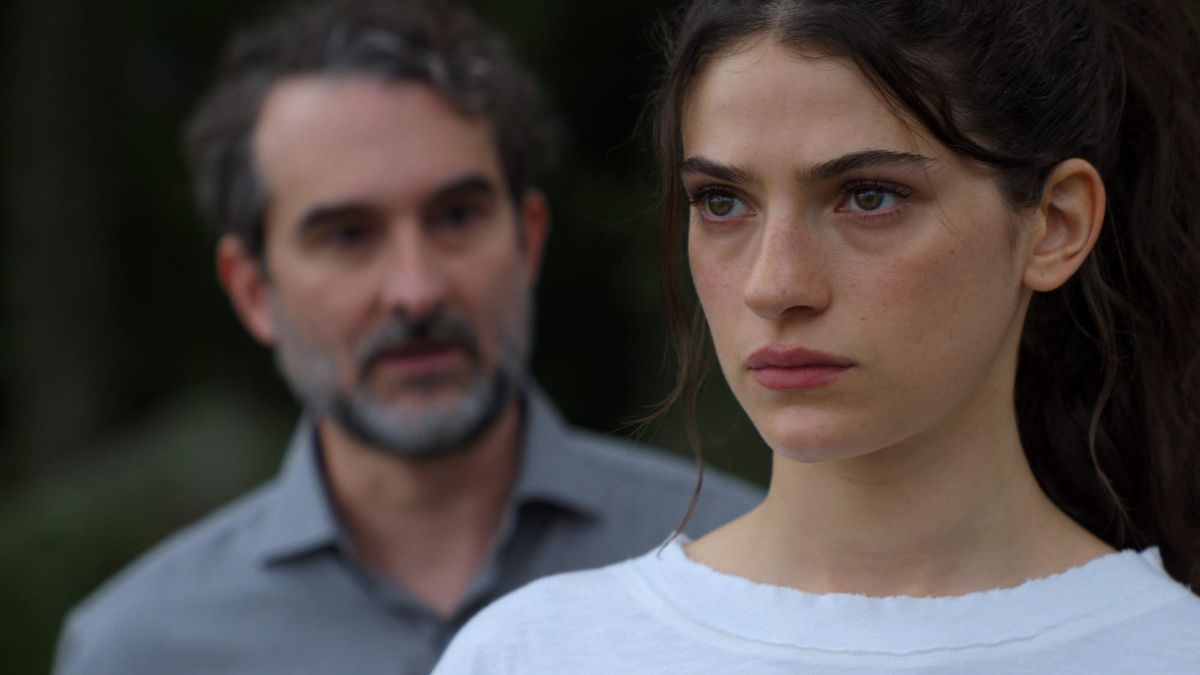
- I wrote about the confusing return of Ted Lasso:
 Alan Sepinwall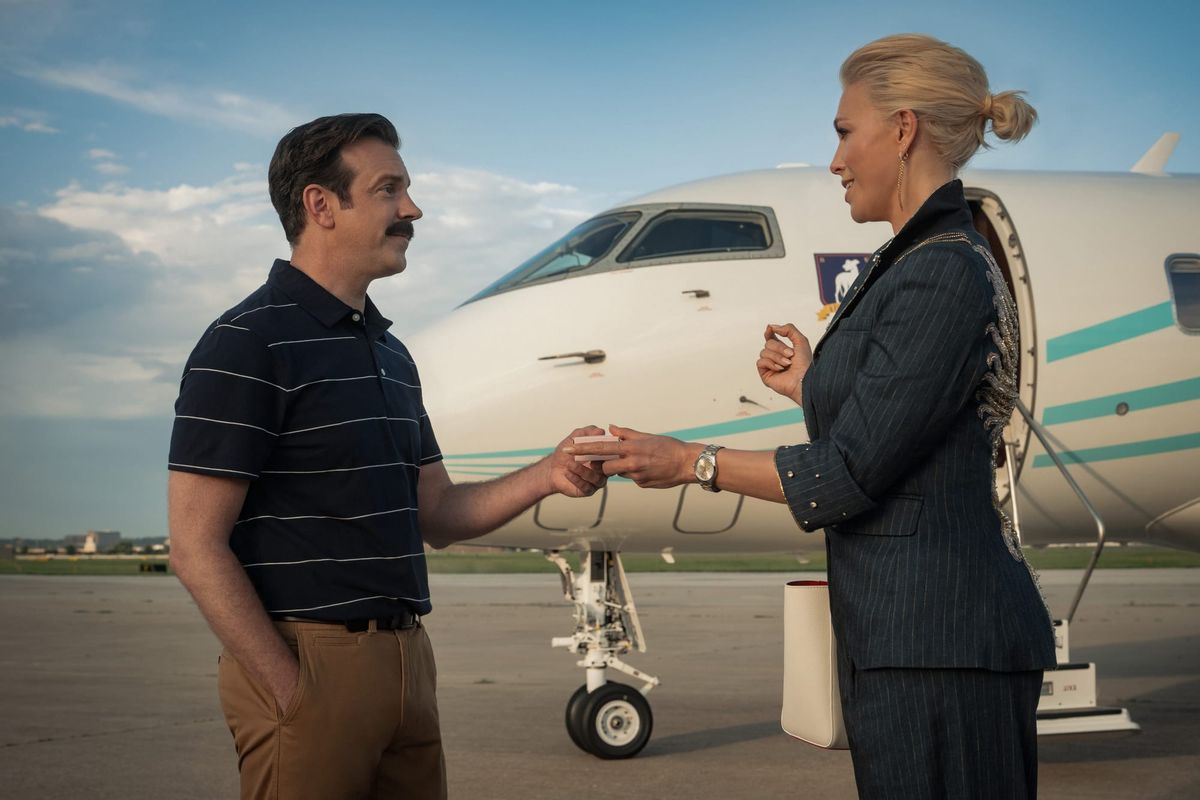
- I recapped this week's Star Trek: Strange New Worlds, a comedy episode inspired by The Hangover:
 Alan Sepinwall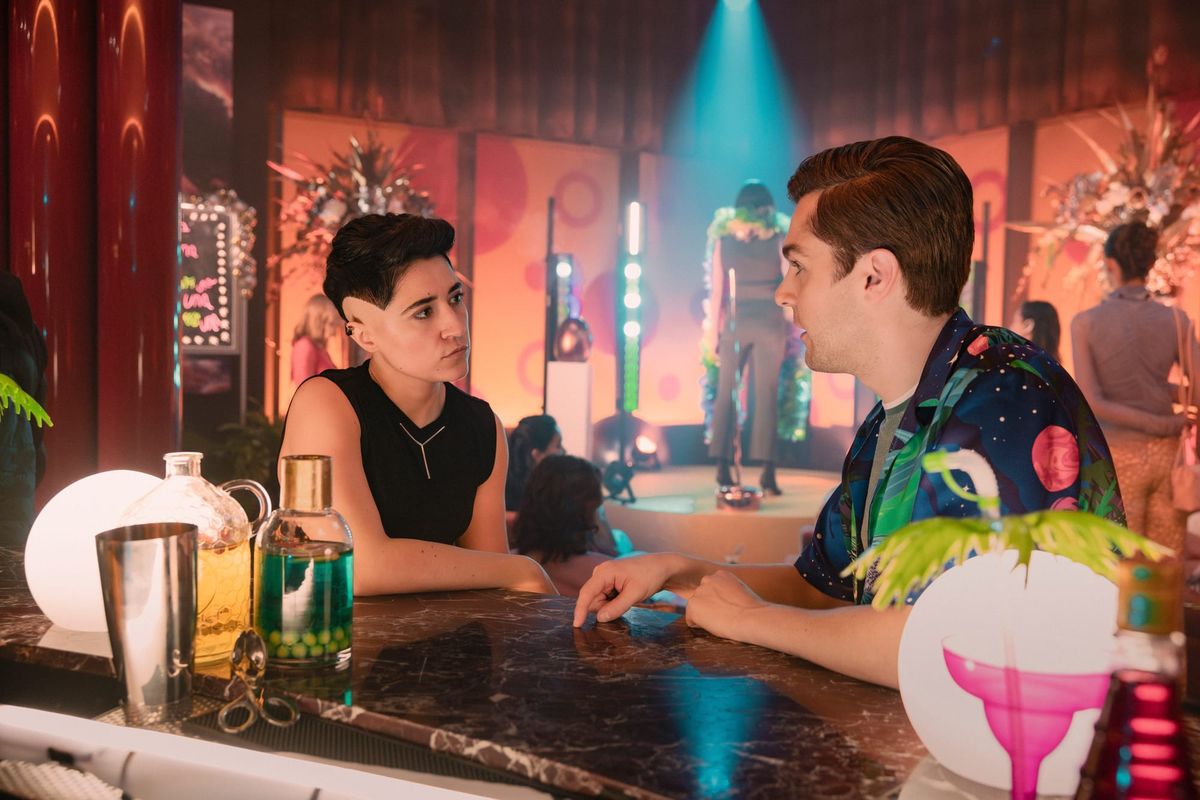
What's next?
I've wrapped up my Serling audiobook duty — remember, preordering the audiobook qualifies you for the free bonus essay just as much as preordering a hardcover or ebook version — which means a more robust schedule next week, including:
- Thoughts on the return of Prime's Reacher for its fourth season;
- A review of HBO's latest DC superhero series, Lanterns, starring Kyle Chandler and Aaron Pierre as Hal Jordan and John Stewart (due to embargoes, this will publish a few hours after the next Friday Check-In);
- Recapping the next episode of Ted Lasso;
- Recapping the next episode of Star Trek: Strange New Worlds;
- For What Else Is Alan Watching? bonus tier subscribers, an Ask Alan change of pace: instead of a video mailbag, I'm going to try a good old-fashioned written one. Send questions to alan@whatsalanwatching.com.
USA? USA? USA?
One of the many, many casualties of the streaming era has been the concept of basic cable channels that make their own original scripted series. In the 2000s and 2010s, basic cable was often the most exciting area in all of television. Fully a third of the shows discussed in The Revolution Was Televised were basic cable dramas: Mad Men, Breaking Bad, The Shield, and Battlestar Galactica. And there were so many others beyond the main FX and AMC groupings. Some aspired to prestige, while others were determined to provide the kinds of television that the broadcast networks were starting to abdicate in the 2000s.
Today, you can still find original dramas and comedies on ad-supported cable, just not nearly as many. FX is obviously still in business, even if the cable channels now feel secondary to the operation's presence on Hulu. AMC, one of the few survivors that's not part of a massive studio conglomerate, is still making its own shows (one of which, The Vampire Lestat, is pretty spectacular.) Adult Swim is still doing Adult Swim things. But lots of the stalwarts are pretty much done. Comedy Central, which once gave us Broad City, Review, Detroiters, Corporate, and so many others, is basically down to a couple of animated series (plus The Daily Show). TNT has its Librarians spinoff, and one or two others in the works, but is nowhere near at the level of output it had in the days of The Closer, Rizzoli & Isles, Franklin & Bash, et al.
Then there's the USA Network, which never got the acclaim of the AMC, FX, or even Comedy Central series in this period — well, except for one time, which we'll get to — but was among the most reliable brands in all of television for a decade. With shows like Monk, Burn Notice, White Collar, Suits, Royal Pains, and Psych, the idea was clear: USA would provide throwbacks to the kinds of low-stakes but solidly-crafted mystery and adventure shows that the broadcast networks regularly churned out in the Seventies and Eighties, but had mostly stopped making by the turn of the century. (There were still plenty of network procedurals, but they tended to be both darker and parts of franchises like CSI and Law & Order.) Burn Notice was my favorite of these, but they were filling a niche, to great success. Officially, the tagline was "Characters Welcome," but USA execs referred to this as the "Blue Skies" era: escapist, retro shows that weren't dumb, but that also didn't tax the audience too much at the end of a long day. They did what it said on the tin.
Then came Mr. Robot.
Two things can be true. Sam Esmail's cyberpunk thriller was a terrific show, with a star-making performance by Rami Malek, and lots of other great work surrounding him. And Mr. Robot completely destroyed the USA brand as we knew it. After years of making popular but disposable shows — as exemplified by the SNL game show parody What Is Burn Notice? — suddenly, the channel was getting reviews akin to their competitors on basic and even pay cable. That level of acclaim and awards attention must have given some top USA execs such a massive endorphin hit that they ignored how modest the ratings were compared to Suits and the others. Because suddenly, every new USA series seemed modeled much more on the dark tone of Mr. Robot than the lightness of a White Collar or Royal Pains. Some of these were good — Dare Me, adapted from Megan Abbott's dark noir novel about high school cheerleaders, was excellent — but unsurprisingly, the audience wasn't there in nearly the numbers as for the Blue Skies shows. As the numbers tumbled, as Netflix and the other streamers began providing more and more competition, and as its parent company made programming for Peacock its priority, USA gradually stopped making original scripted series of any kind. Its last two originals were a Chucky series, and the final season of Resident Alien, which began on sister channel Syfy. (Which also has largely abandoned this business.)
But NBC spun off most of its cable properties into a new company, Versant, with no attached streamer. And now USA is not only trying to get back into this game, but starting out with a show that would fit comfortably into the Blue Skies era: Anna Pigeon, adapted from Nevada Barr's long-running series of mystery novels about a park ranger who solves crimes that take place in the national park where she works. Tracy Spiridakos, who recently did a long stint on Chicago P.D., plays Anna, and the supporting cast includes some favorites around these parts, including BSG alum Tricia Helfer as Anna's sister Molly, and Paulina Alexis, aka Willie Jack from Reservation Dogs, as another park ranger.
We're in "This is not a review" territory, as I only watched the first two episodes. But based on those, I like the idea of Anna Pigeon — and the possibility of a broader return to those good old days — substantially more than the actuality of Anna Pigeon. Spiridakos fits the bill as a heroine who's confident, rebellious, and also has some darkness in her, still grieving the loss of her husband. And the scenery looks great. But the supporting actors are either completely wasted (Helfer's entire purpose is to place worried phone calls from "New York") or dialed in wrong (Kim Coates from Sons of Anarchy gives in to all his hammiest tendencies as an evil rich man looking to somehow take over the park). The plot in the first episode was pretty thin; the second just bad.
The funny thing about feeling nostalgic for the Blue Skies era is that it was designed to evoke nostalgia for an even earlier era of television. And while the broadcast networks still have their franchises, they've also gone back to these kinds of more lighthearted procedurals. I could just as easily go catch up on High Potential or R.J. Decker as to hope Anna Pigeon takes some unexpected leap in quality a half-season from now.
That's it for today! What does everybody else think?
