

From now through June 21, get $20 off an annual What's Alan Watching? subscription!
Today's Friday Check-In coming up just as soon as a horse enters the tent...
Catching up
Here's what I've published since last Friday's newsletter:
- I recapped the latest episode of The Vampire Lestat, in which we learned about the very complicated relationship between Lestat and his mother:
 Alan Sepinwall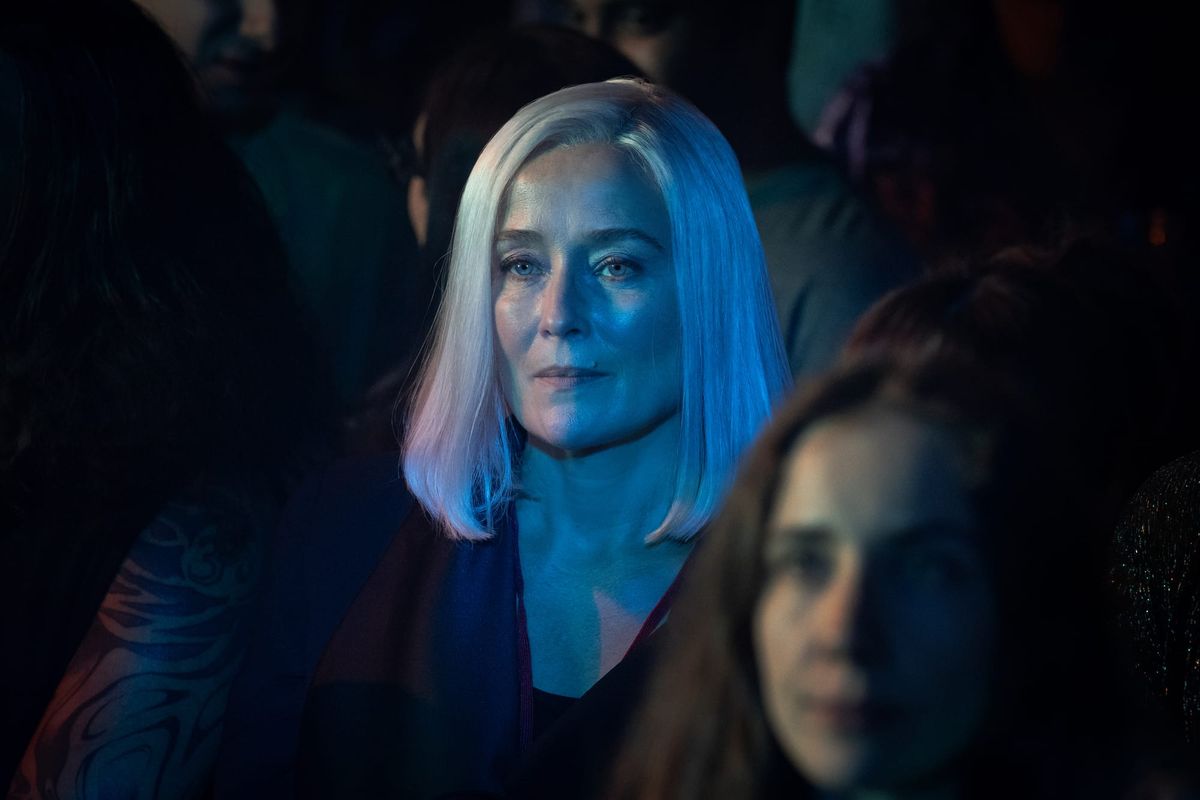
- On a new episode of TV Is Good, Kathryn and I debated whether Widow's Bay or Gilligan's Island is more cursed:
 Alan Sepinwall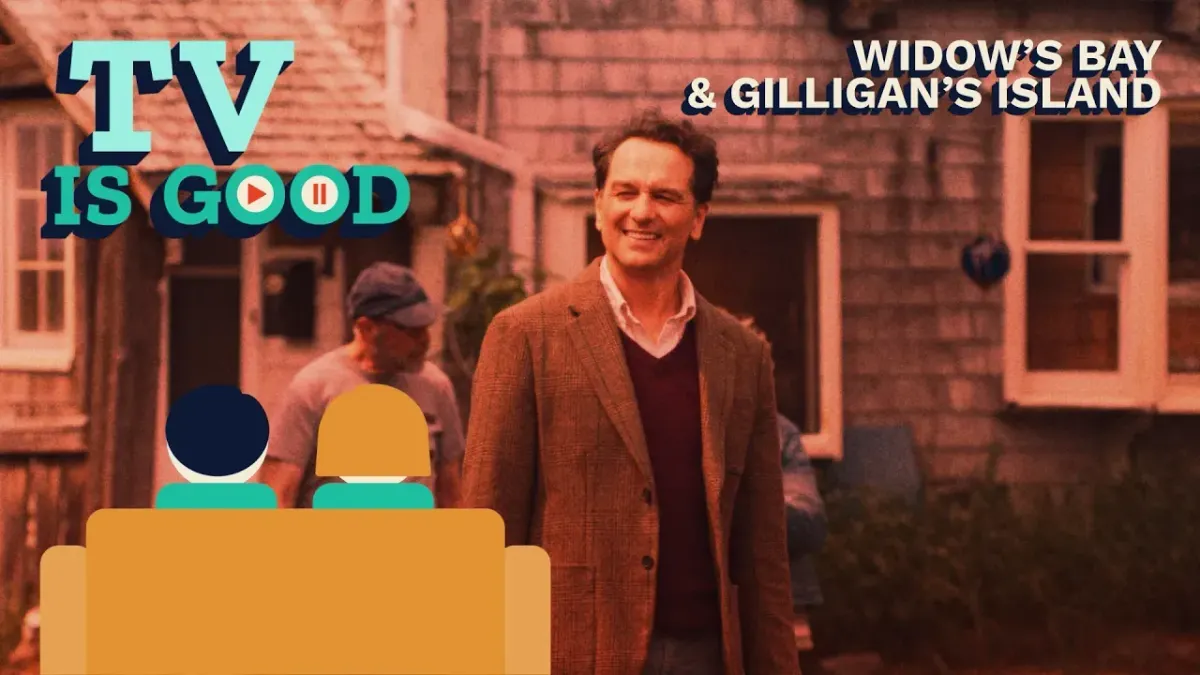
- I reviewed the new season of House of the Dragon, and lamented that the show has two terrific central performances, and a whole lot of blankness surrounding them:
 Alan Sepinwall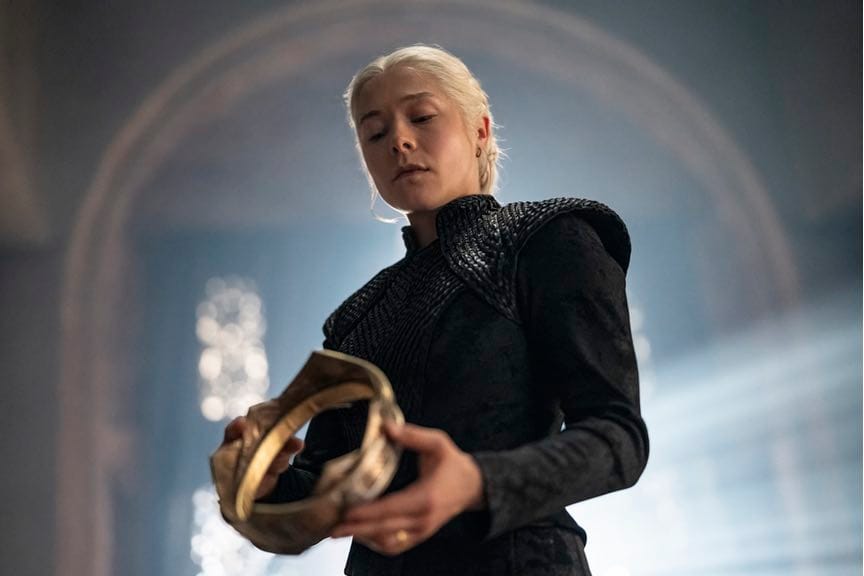
- I recapped the Widow's Bay season finale:
 Alan Sepinwall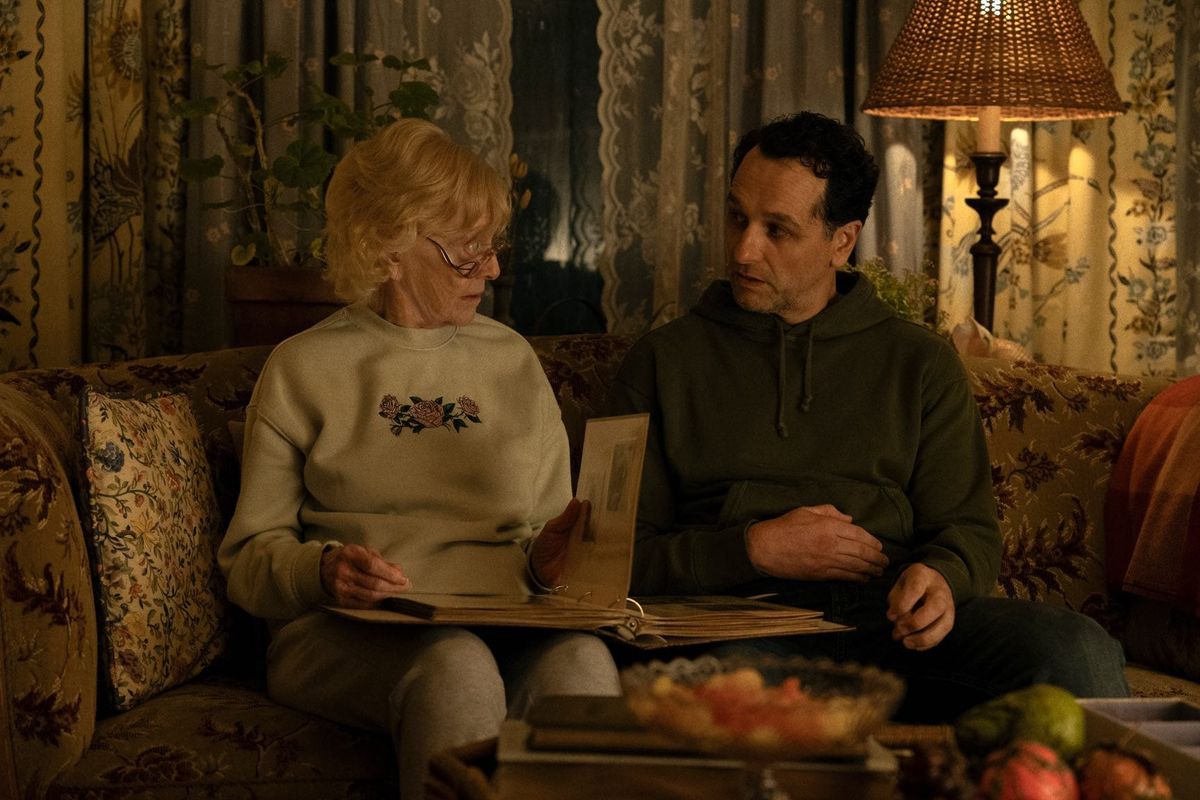
- And for What Else Is Alan Watching? bonus tier subscribers, I did an Ask Alan video mailbag that was (mostly) filled with Knicks-related TV questions:
 Alan Sepinwall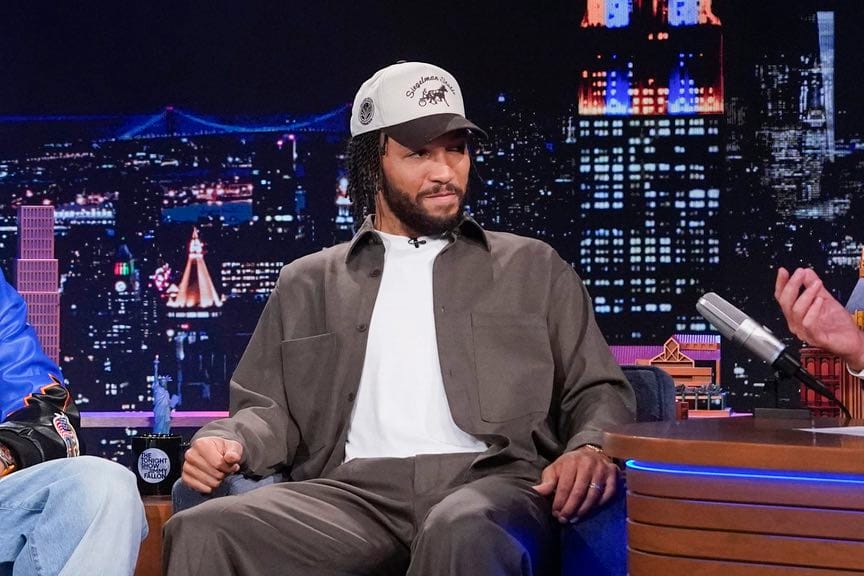
What's next?
Here's what to look forward to from me next week:
- Look for another Lestat recap on Sunday night.
- On the next podcast episode on Monday, Kathryn and I will talk more about House of the Dragon, which she suggested that we pair it with... the series finale of Dinosaurs?!?! Hopefully, it all makes sense. (The episode, "Changing Nature," is streaming on Disney+)
- Also, we announced the results of the subscriber poll for next month's Patreon episode: we will be watching The Americans series finale, "START." Still plenty of time to subscribe!
- Get ready for the big The Bear goodbye next week. I've seen the first seven episodes of the fifth and final season, and will be sharing my thoughts on them, sans spoilers, on Thursday morning, a few hours before the whole season drops on Hulu. And once I've had time to watch and think about the finale, I'll write a spoiler piece.
The unkindest cut
Monday was the 15th anniversary of one of most famous TV episodes of this century: "Baelor," the penultimate chapter of Game of Thrones Season One, where anyone who hadn't already read the books was completely shocked by the death of Ned Stark, who until that point was very obviously the show's main character. For Emmy Magazine, I interviewed the episode's director, Alan Taylor:
 Alan Sepinwall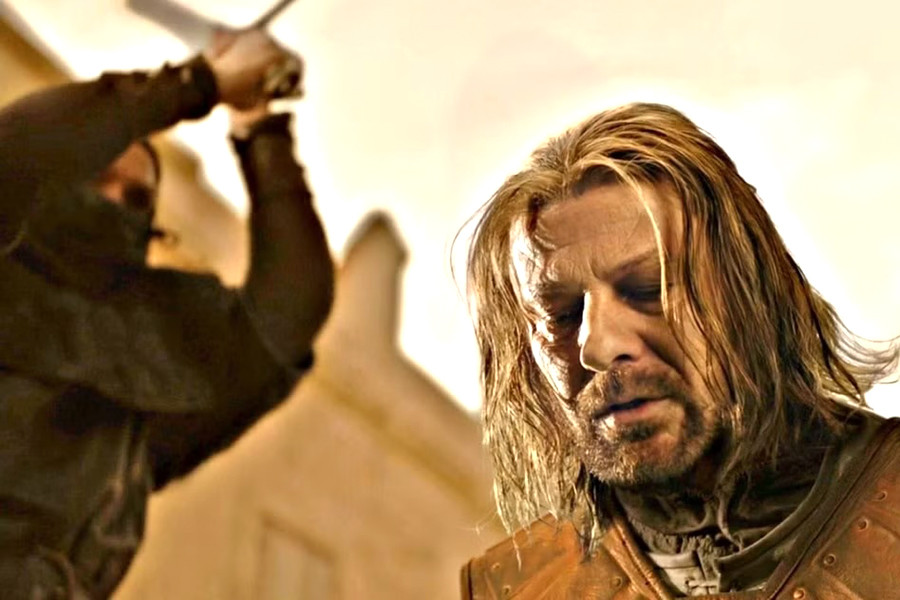
As often happens with features, I got more material than I had room to use. Pretty much everything Ned-related went into the published story. But the thing about that episode is that Ned's in it for around 10 minutes, in two scenes that bookend the hour. Taylor and I spent a while discussing other aspects of "Baelor," including the introduction of David Bradley as the vile Walder Frey, and how Taylor and showrunners David Benioff and D.B. Weiss had to make the series' first major battle sequence happen entirely off-camera because the Season One budget was, as Taylor described it, "hilariously low" compared to what everyone would have to play with by the end of the show. (Most of Taylor's episodes were in the first three seasons, but he came back later to direct "Beyond the Wall," which is packed with zombies, dragons, zombie dragons, and so much action that the Taylor of Season One would have wept to consider it.) Here's a bit of what we discussed on those subjects:
The episode features what in theory is the first big battle of the show, but we see none of it, because Tyrion gets knocked out on the way there.
It was one of those wonderful things we all talk about is, we were so constrained by budget that it forced some very creative responses to it. The conversation about not covering the battle was in the writing. We were going to make Tyrion the point of view character. We knocked him out to do what we couldn't afford. We could barely afford to dress a battlefield after the fact, let alone stage all the action on screen. That became a really fun challenge. Because of having to do this dance to get around our lack of budget, you wind up doing some very fun, creative things. I think it's the same episode where we had, according to the script, 40,000 riders coming out of the tree line and then we, you know, got there and we had 40 riders. [Laughs] But if your characters are invested in and you're moving the story along, people buy it.
Because the later seasons have so much spectacle, people sometimes forget that because the budget was so small in the early days, a lot of scenes were just two or three people in a room having a conversation. “Baelor” has a great example of that, where Tyrion and Bronn and Shae are playing a game where Tyrion guesses things about their pasts.
I remember that vividly. The cost of being able to go out into a field and use horses was you had to spend a lot of time on people talking in a room. When I first got that scene, I thought, “Okay, I’m screwed.” It was, like, 11 pages of three people talking in a tent. I probably whined to David [Benioff] and Dan [Weiss]. I was fearful that it was going to be boring and repetitive: just the same basic coverage. But when we rehearsed it, we fundamentally changed the blocking at some point, so we weren't locked into the same angles all the time. And the truth is, David and Dan's writing is so wonderful and so full of insight and comedy. And you can watch Peter Dinklage read the phone book and enjoy yourself for 11 pages. So it wound up not being a problem like I thought it would.
The episode introduces a couple of notable recurring characters, one of whom is Walder Frey. What did you and David Bradley talk about in bringing what was in the script to life?
The great thing about Game of Thrones as opposed to House of the Dragon is we shot so much on location, because these actual places existed. The Walder Frey estate was incredibly broken down and gloopy and drippy and wet, and moldy. It put us all in the right frame of mind. I think David totally got that he was such an abject, repellent character, and that was his job. He ran with it. I don't think he needed much guidance.
Poor, some Sugar?
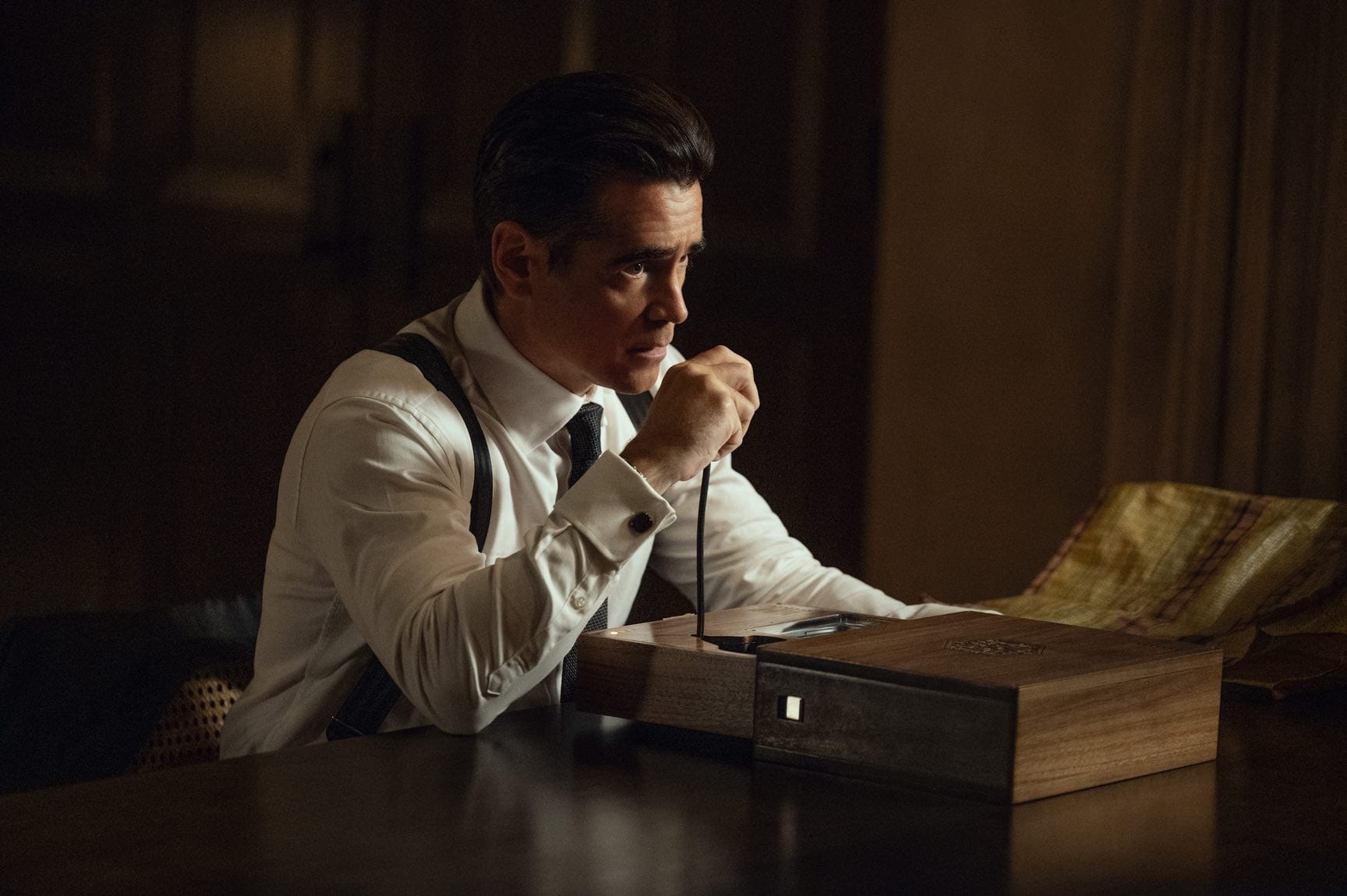
Finally, let's talk briefly about Sugar, the Apple TV drama that returned for its second season this week. It is impossible to talk about Sugar without talking about what Sugar is really about, rather than what Apple continues to market it as being about, more than two years after the episode revealing the show's true premise came out. If you've somehow avoided this news (including Kathryn publishing an article with the premise in the headline), consider this your spoiler warning, and I'll catch you next time.
So... [deep breath]... For its first six episodes last season, Sugar seemed to be a straightforward film noir pastiche starring Colin Farrell as a movie-obsessed high-end private eye investigating cases in contemporary Los Angeles. Farrell was great, the atmosphere was interesting, and there was a wonderful ensemble, including James Cromwell and Amy Ryan. There were hints that Sugar had a big secret in his past, but nothing more. Then — at the end of the sixth episode of an eight-episode season, mind you — we discovered that... [deep breath]... John Sugar is a blue-skinned alien, and his fixation on classic cinema is because that's how he first came to understand humanity.
The timing of this was just bonkers. If you want to do a pastiche of sci-fi and hard-boiled detective fiction, by all means. I'm totally into it. But you can't wait that long to unveil the twist, especially on a show where your secret alien is doing first-person narration that at no point hints at his true nature prior to the revelation. And in announcing this so late in the season, it made everything that came prior feel besides the point.
Nonetheless, I was curious to see how Sugar would function in a second season that was all about John Sugar: E.T. P.I. Instead, the show has made the choice to background the alien stuff again. Sugar talks about it a bit at the very start of the season, since he feels lonely after all of his fellow aliens decided to leave Earth at the end of Season One. And there are occasional references to it later. Mostly, though, we're just back doing homages to Sam Spade, Mike Hammer, Philip Marlowe, et al.
Which... if that's what the Sugar creative team is most excited to do, I understand. But it now feels distracting that this huge aspect of its title character's existence is still so subordinate to a labyrinthine noir plot involving two prizefighting brothers (played by Jin Ha and Raymond Lee), a corrupt sheriff (played by a casually menacing Tony Dalton) and a cop friend of Sugar's (played by Shea Whigham, whose wardrobe and hair choices occasionally make him look like The Dude from The Big Lebowski, but otherwise doesn't get much to do early on). It's a trope of the genre that the mysteries are often hard to follow, but this one feels especially confounding. Between that and the show's relative lack of interest in Sugar's origins, my own interest waned after a few episodes, and I only stuck it out as long as I did because I wanted to watch Dalton. All the performances are good (including Sasha Calle as Sugar's new assistant), but eventually I tapped out after the fifth installment.
When the show debuted two years ago, I accused it of being one of the more glaring examples of the Surf Dracula problem, where a show takes a whole season to get to its actual premise. Season Two is like if Surf Dracula came back and decided to have Dracula put his surfboard back in the garage for most of the next season while he resumed biting people.
That's it for today! What does everybody else think?
