

Through August 24, get $20 off an annual subscription to What's Alan Watching? Save some green while you're reading about Lanterns!
This week's Friday Check-In coming up just as soon as I shoot an apple off your head...
Catching up
Here's what I've published since last week's newsletter:
- I recapped the series premiere of Lanterns:
 Alan Sepinwall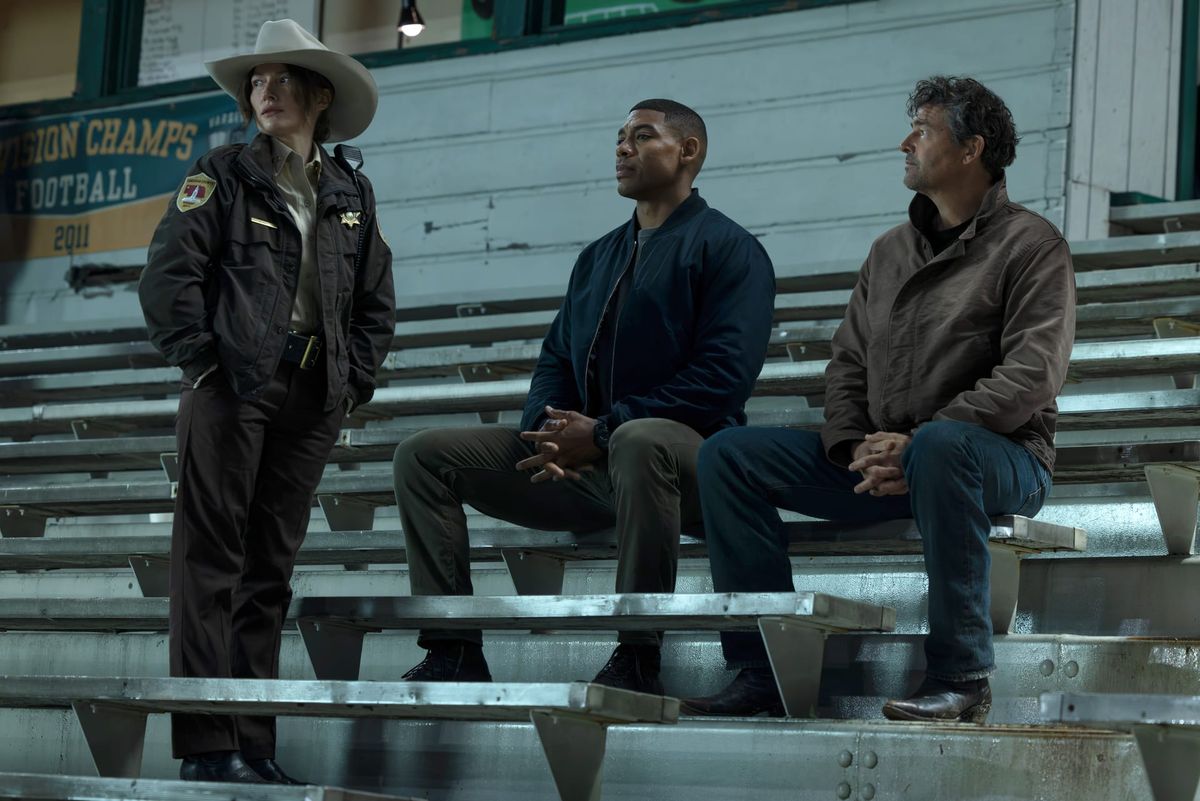
- On TV Is Good, Kathryn and I talked about both Lanterns and the underrated late 2000s comic book comedy adventure The Middleman:
 Alan Sepinwall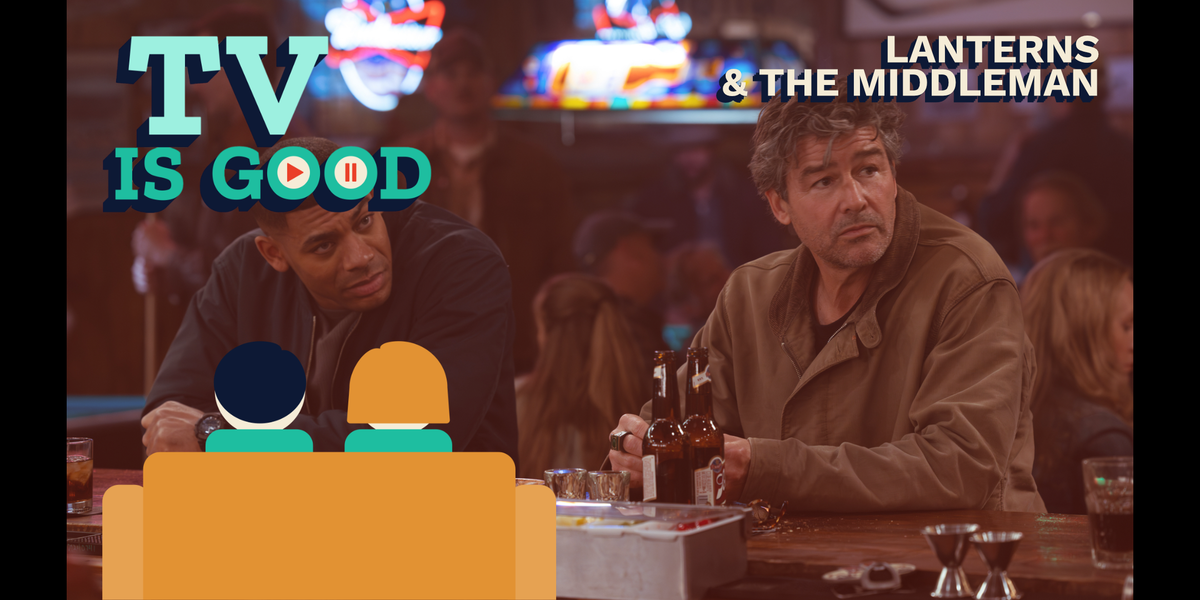
- With the return of It's Always Sunny in Philadelphia for an 18th season, I looked at how many classic sitcoms produced fewer episodes than Sunny has by this point:
 Alan Sepinwall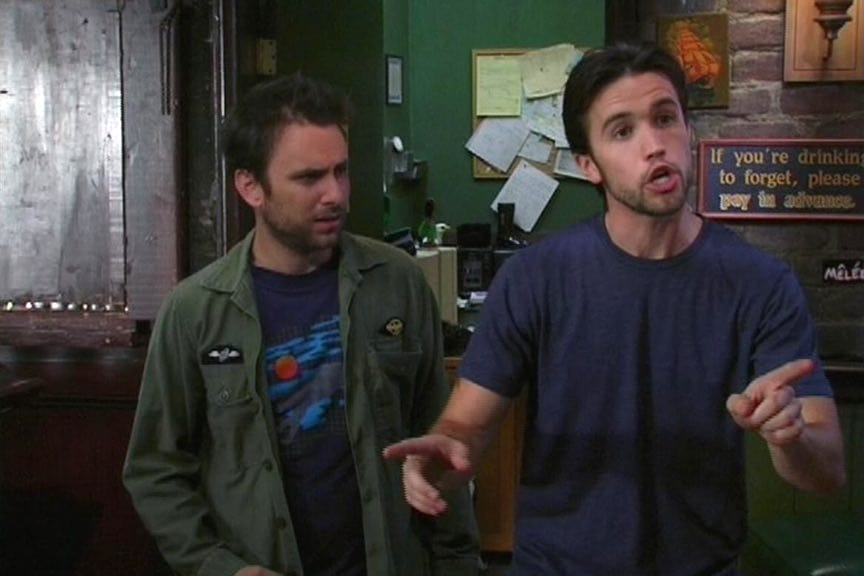
- I recapped the latest Ted Lasso, where Ted and Alice went to desperate measures to add talent to the women's team, while Rebecca and Keeley grapple with a lack of support from fans and sponsors:
 Alan Sepinwall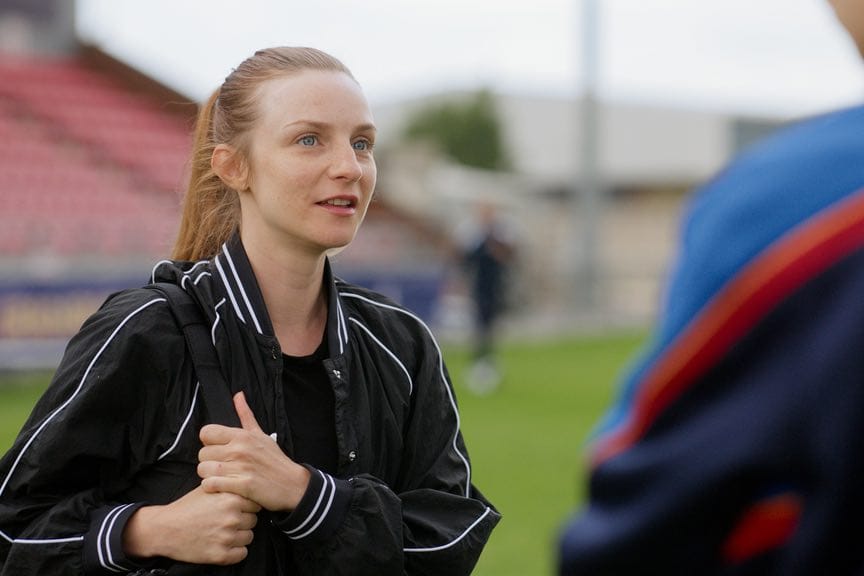
- I recapped this week's Star Trek: Strange New Worlds, another comedy-forward episode in which the Enterprise crew got turned into puppets:
 Alan Sepinwall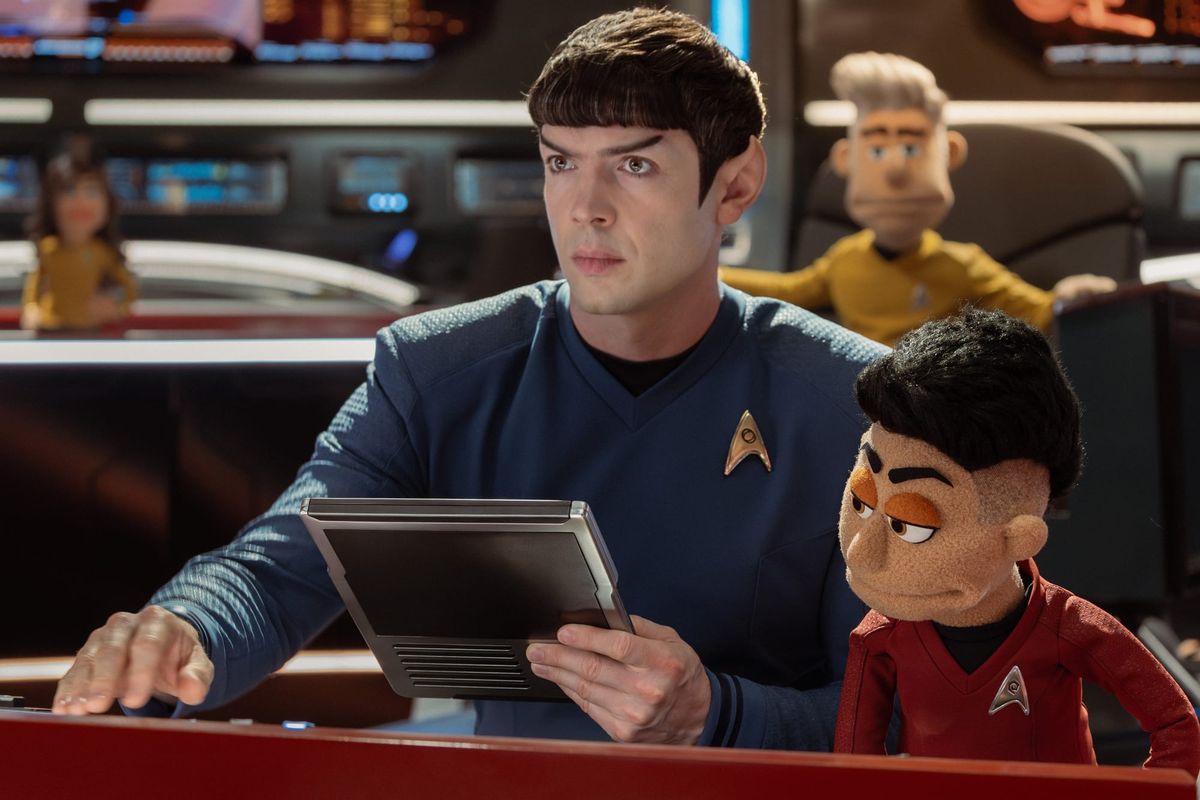
What's next?
Coming up over the next week:
- In the next TV Is Good episode, Kathryn and I will talk about Amazon's YA summer water cooler hit Sterling Point (which you may recall me liking), and pair it with a look back at the first Chrismukkah episode of The O.C., which shares producers Josh Schwartz and Stephanie Savage with Sterling Point. You also might recall that I wrote a book about The O.C.


- Recaps of the next episodes of Lanterns, Ted Lasso, and Strange New Worlds.
- A review of Season Two of the Gen Z hangout comedy Adults, which will debut as a binge on Hulu on August 27, while two episodes will debut per week on FXX.
- With summer nearing an end, I'll be doing a fall preview article, running down both shows I'm excited to see post-Labor Day, as well as some of the shows I intend to cover more regularly.
Also...
Pivoting from video?
 Alan Sepinwall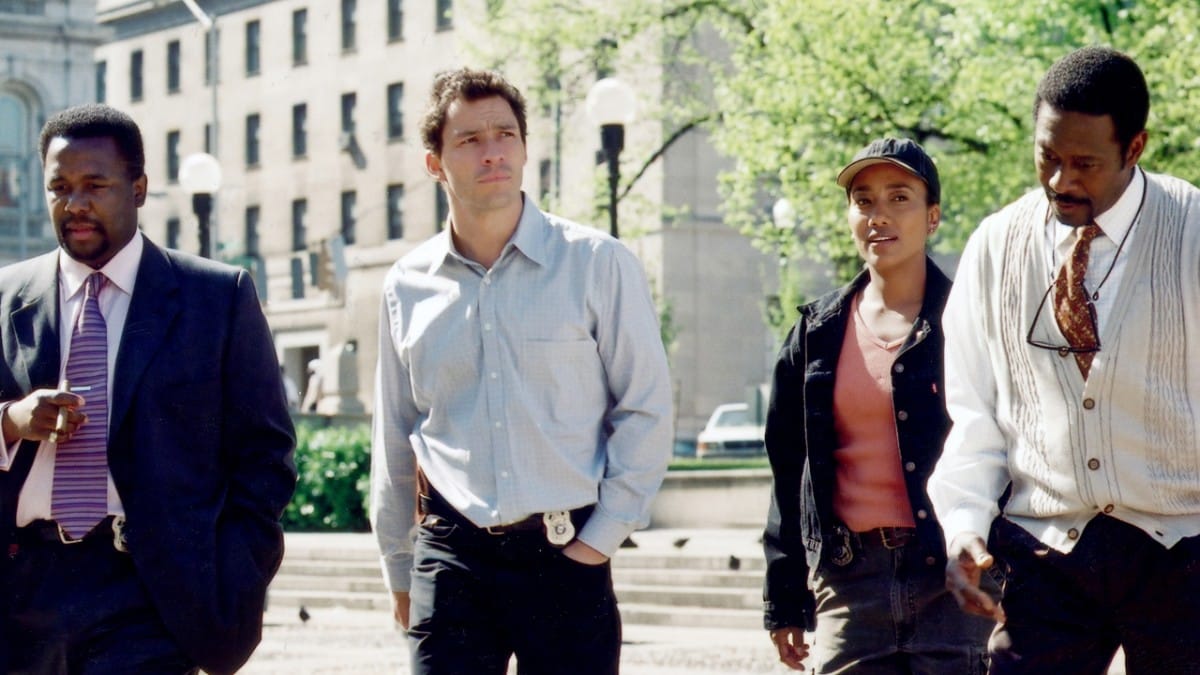
The response to the all-text edition of my Ask Alan mailbag was overwhelmingly in favor of me continuing it as a written feature for bonus tier subscribers, rather than as videos. However, there were enough people who said they preferred the videos that I will attempt the following going forward:
- I'll be doing two Ask Alans per month, three questions apiece (unless there are some thematically-linked questions that make expanding to four or five make sense);
- At least one of those mailbags will have a video answer mixed in with the written stuff. Maybe both will. Going to play it by ear and see what makes sense.
The first of these is coming up next week, so send questions to alan@whatsalanwatching.com. If you would prefer I answer in one format or the other, let me know, and I'll see what I can do.
 Alan Sepinwall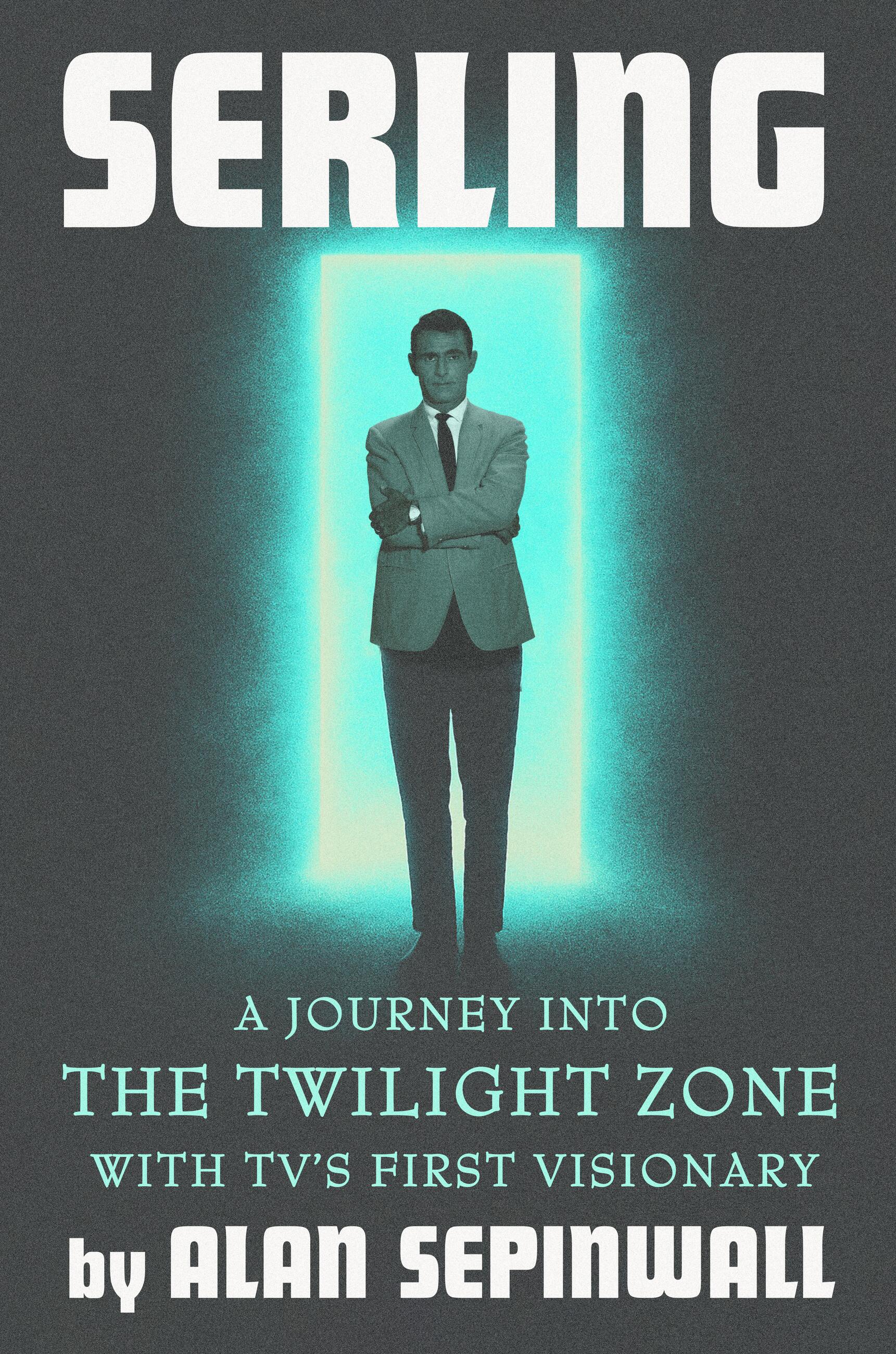
I also want to do an all-Rod Serling mailbag for all subscribers — unpaid, regular paid, bonus tier, what have you — sometime in September as we get ready for the October 13 release of Serling: A Journey Into The Twilight Zone with TV's First Visionary. (As a reminder, if you preorder the book, you can get a free bonus essay about my favorite Twilight Zone episode.) If you have questions about Twilight Zone, Night Gallery, Planet of the Apes, or any Serling-y things, this is your chance! Again, send those to alan@whatsalanwatching.com.
Do you still feel Lucky?
 Alan Sepinwall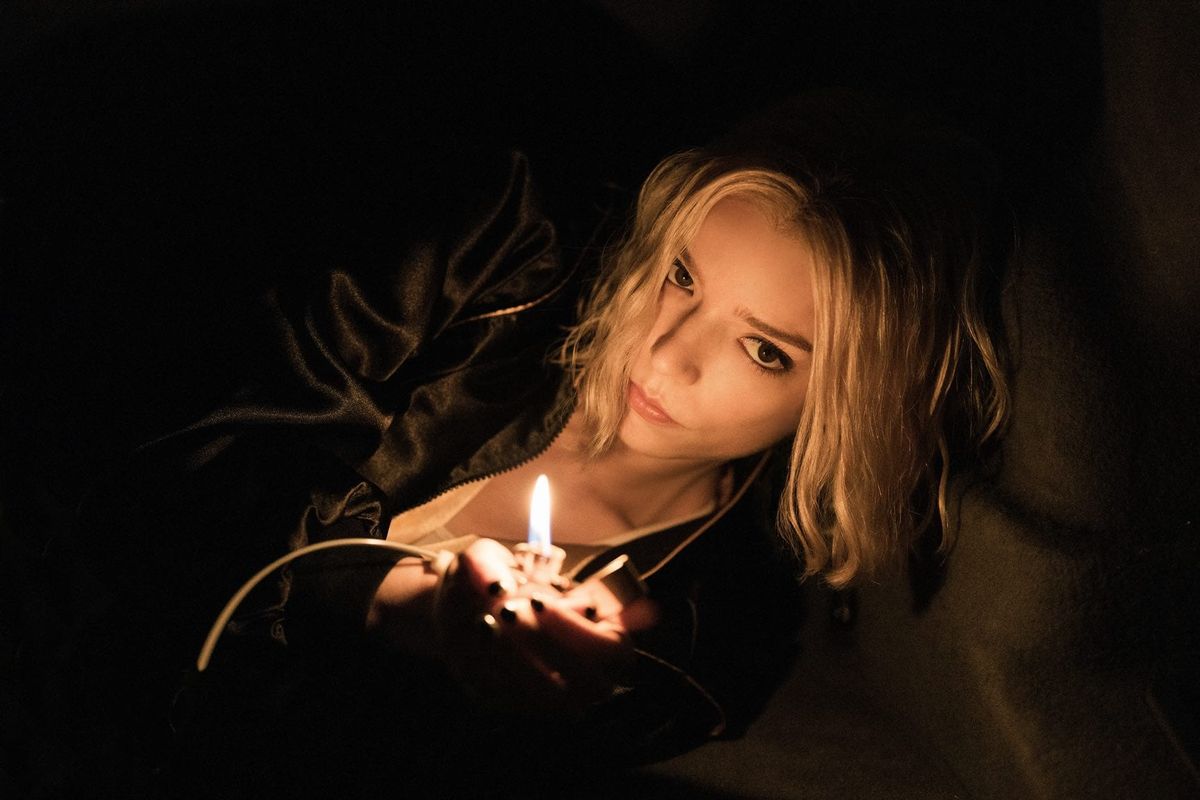
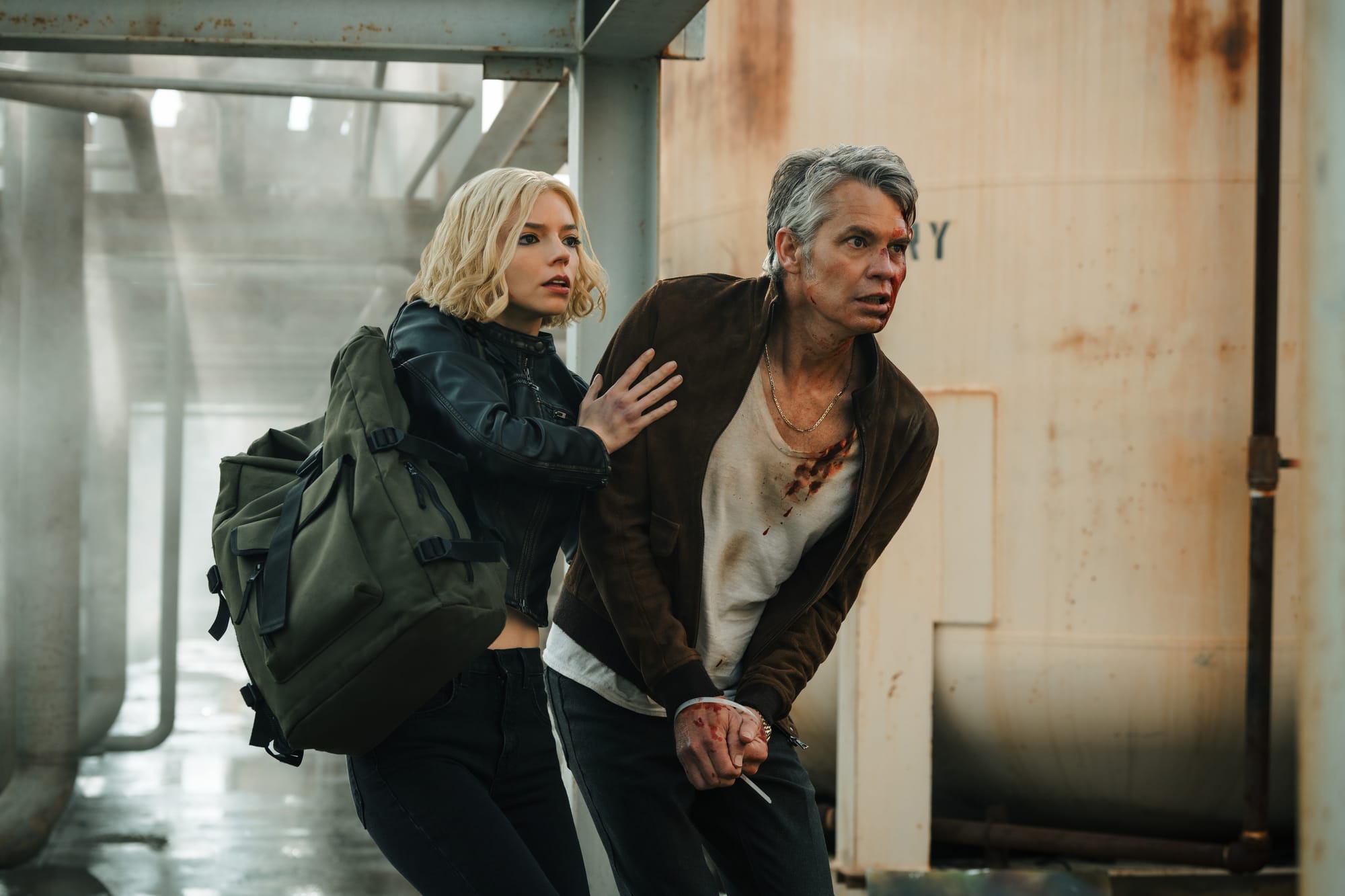
The Lucky finale dropped earlier this week on Apple. As I said in my review, I thought it was a derivative but competent con artist drama. And as Kathryn and I talked about on the podcast, I wish it had given us more of Anya Taylor-Joy actually doing con artist things.
That said, the finale gave us a lot of Timothy Olyphant, and he and Taylor-Joy got some good things to play opposite each other, as Lucky confronted her dad about how much she hates what he made her whole life into. The ending offers a pretty clean slate, where she can be anywhere, with any new cast of characters. Even if she no longer wants to be a grifter, it's not hard to envision the writers coming up with a situation where she feels she has no choice.
What's everyone's interest level in seeing more of it?
Hayden Panettiere, 1989-2026
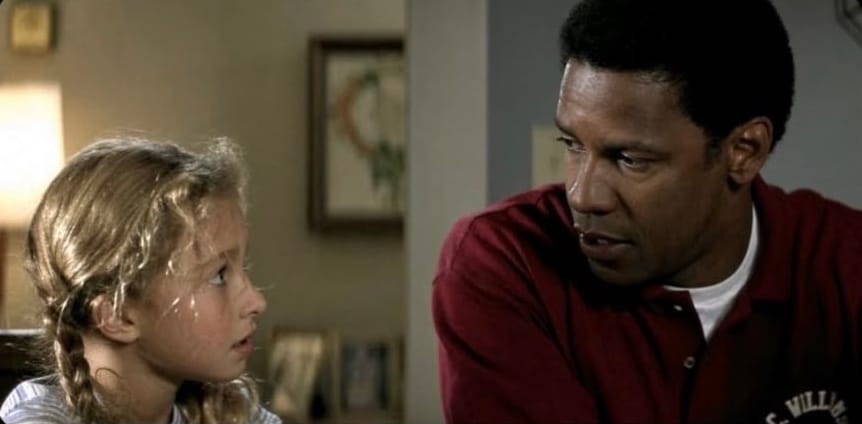
Everything feels sad about the news of Hayden Panettiere's death earlier this week at the age of 36. She had great professional success at times, but also deep personal struggles. She spoke about how her mother pushed her into acting when she was a small, small child — a profession that's a minefield even for a kid who wants to do it, never mind one being looked at as a meal ticket by the people who are supposed to protect her. She struggled with alcohol and opioids, and was a victim of domestic violence. At this writing, we don't know exactly how and why she died, but there's no answer that's going to seem like a silver lining, given her age and her past.
But if acting wasn't necessarily the profession she would have chosen — let alone at such a young age, when she felt an overwhelming pressure from her mom to succeed — she was really, really good at it. She was 10 or 11 when she filmed Remember the Titans, playing the precocious, football-obsessed daughter of Will Patton's character. The character as written would have been unbearable in the hands of most performers that age. Panettiere made her endearing. And she even went toe-to-toe with Denzel freaking Washington in a few moments, always seeming like she belonged in the frame with him. When you would watch her in those early years play scenes opposite other kid actors, the difference was usually stark in how natural she was compared to them.
She was as big a reason as any for why Heroes became a phenomenon in its first season. The show's bit catchphrase that year was "Save the cheerleader, save the world." That idea only mattered if viewers cared about the cheerleader in question: Claire, a Texas teen who can heal from any injury. Panettiere made the audience care. As troubled country star Juliette on Nashville, she made a terrific soap diva, and gave as good as she got opposite the great Connie Britton.
Rest in peace.
Let's get critical
The Television Critics Association press tour is gone, but the organization (of which I am still a member) lives on, as do the TCA's annual awards. They're just presented virtually, rather than having the winners attend a rubber chicken dinner at whatever hotel is hosting the press tour.
The TCA Awards (you can read a list of all past winners here) are always an interesting snapshot of the critical consensus in a given year, and a reflection of the changing nature of the voting body. No group is a true hivemind, and there have been plenty of years where one or more of the awards results left me exasperated and complaining to anyone in earshot. When I joined the group, it was mostly comprised of middle-aged newspaper critics who gravitated towards the traditional definition of prestige TV. Two of the first three winners for Program of the Year (The Jewel in the Crown and Eyes on the Prize) were on PBS. Over time, the organization got both younger and nerdier, as you saw shows like Battlestar Galactica, Game of Thrones, and the aforementioned Heroes claim that top prize in different years.
The Heroes win — over no less than The Wire Season Four (the one with the middle school kids) — is one I complained about for a very long time. My feeling was that the top prize should go to the clear best show of that year. Others would point to the language on the ballots that said we should choose a show that “had a major impact on the medium and culture.” While that Wire season would eventually qualify for the former, at the time, so few people were watching that it was hard to argue for it in either way, even if it was exponentially better than Heroes. Sometimes, best and biggest impact would come into alignment, like the first season of The Sopranos or the final season of Breaking Bad. Sometimes, the group chose the zeitgeist (say, the first season of Empire over the second season of The Americans in 2015). And sometimes, we chose a show we loved, even if it wasn't resonating very far outside our own circle (the final season of Friday Night Lights).
All of which leads me to this year's TCA Awards winners, which were announced earlier this week. Lots of my favorites wound up winners: Widow's Bay for comedy series and new series, Kate O'Flynn and Pluribus star Rhea Seehorn for the respective individual awards for comedy and drama, Death by Lightning for the limited series award, etc. There were also some head-scratchers, like the terrible final season of Squid Game winning the TCA's first-ever award for international programming.
But the most notable winner was again for Program of the Year, where Heated Rivalry took the top prize over a crowded field that also included The Comeback, Hacks, Industry, The Late Show with Stephen Colbert, The Pitt, Pluribus, Shrinking, and Widow's Bay.
 Alan Sepinwall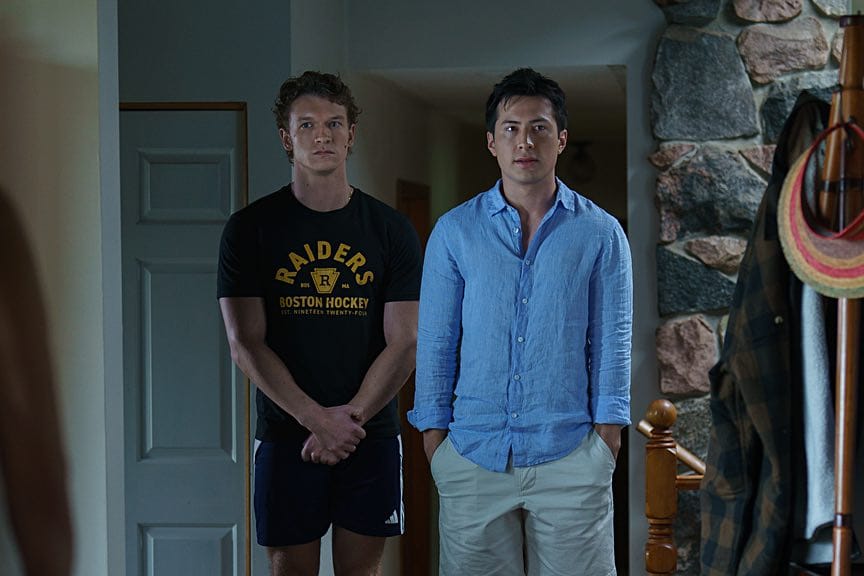
I liked Heated Rivalry, a lot. But I wouldn't call it the best show I watched in the past year, or even in the top 5 of those. In addition to several of the TCA's nominees, I would put The Lowdown, and a few items from my best of 2026 so far list ahead of it.
But, again, there are those guidelines from the TCA. To my mind, Pluribus was the best show nominated in the category, maybe a comfortable margin. And it was a hit — its premiere literally crashed Apple TV for a while on opening night — so this isn't a Wire or Americans situation. Culturally, though, you can very easily make the argument that Heated Rivalry was a much bigger and more impactful part of the zeitgeist than even the adventures of Carol Sturka and Manousos. In how it depicted queer romance, and how frank and graphic it was about sex, it struck a nerve. And it's much more likely to inspire imitators than something like a Pluribus, which is the result of a singular vision from one of the best showrunners to ever do it, given a mammoth budget with which to execute said vision. (We've already seen other shows that were in development pre-Heated Rivalry succeed by attracting a similar audience, like Off-Campus.)
Again, it comes down to what the category should be. I often look at awards as a kind of historical record, and imagine some TV nerd many years from now looking back at the TCA Awards and thinking, "Oh, so this is what critics thought was the best show that year?" They're not going to read the fine print about the criteria suggested to voters. So in that way, I'm annoyed to have Heroes or Empire or Heated Rivalry — all shows I liked to varying degrees when they began — on a list instead of better shows from their respective years (and alongside truly great shows from other years). At the same time, those series are all important texts if you're telling the story of scripted TV(*) in those years, as we were experiencing them, even if they didn't turn out to be the most important in hindsight.
(*) The category isn't confined to scripted TV, obviously. Eyes on the Prize was a documentary, and American Idol won the award in 2003, when it was by far the biggest thing on television. Idol beat Boomtown, 24 Season Two, The Daily Show with Jon Stewart, and Season One of The Wire. That was another summer where I was in a lot of arguments about whether we should just give the award every year to the highest-rated show on television.
Me? I voted for Pluribus. But I also understand where the Heated Rivalry voters were coming from. And whereas The Wire was a fragile show that needed every bit of critical support it could get, Pluribus is doing just fine without us.
That's it for today. What does everybody else think?
