

Today's Friday Check-In newsletter coming up just as soon as I nominate you for Outstanding Drama Series, and only for Outstanding Drama series...
Catching up
Here's what I've published since last Friday's newsletter:
- I recapped the latest episode of The Vampire Lestat:
 Alan Sepinwall
- In the latest TV Is Good podcast episode, Kathryn and I talked about Elle, Hannibal, and why some TV prequels work and others don't:
 Alan Sepinwall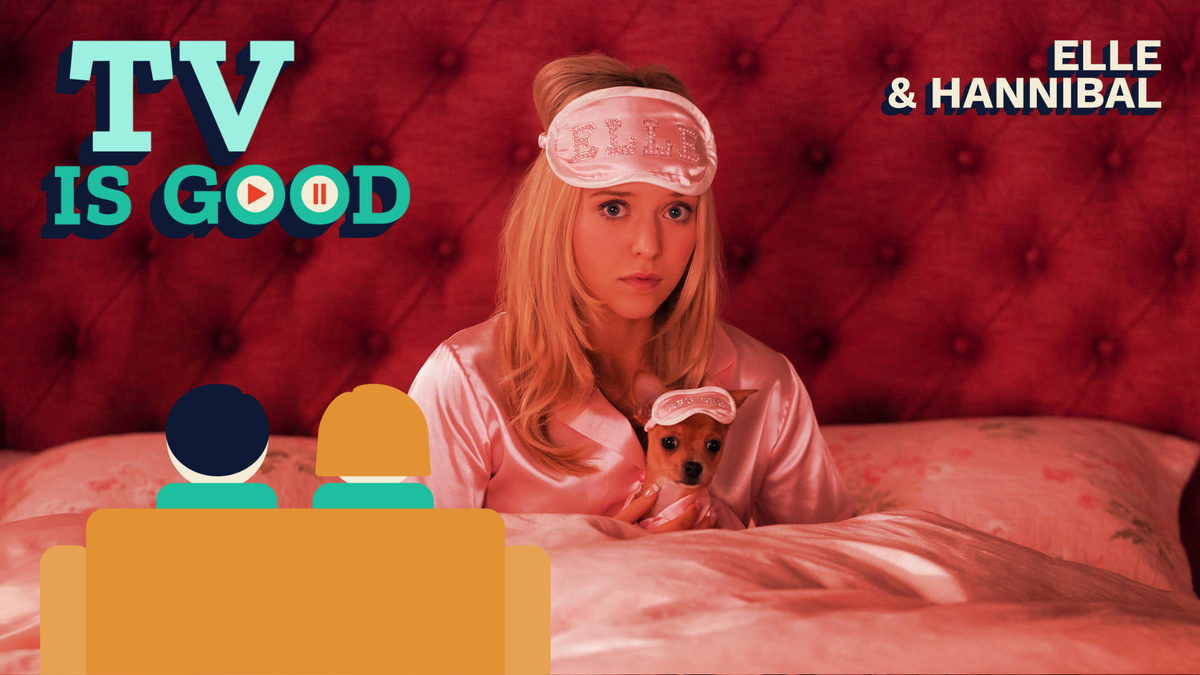
- In a new Ask Alan video mailbag, I took questions about classic TV flashback episodes (and somehow forgot to mention the great St. Elsewhere two-parter "Time Heals," even though I wrote it in the notes I was looking at as I recorded), my dream show to get a home video release with optimized picture and the original songs, and whether I'd rather live in Sunnydale or Widow's Bay:
 Alan Sepinwall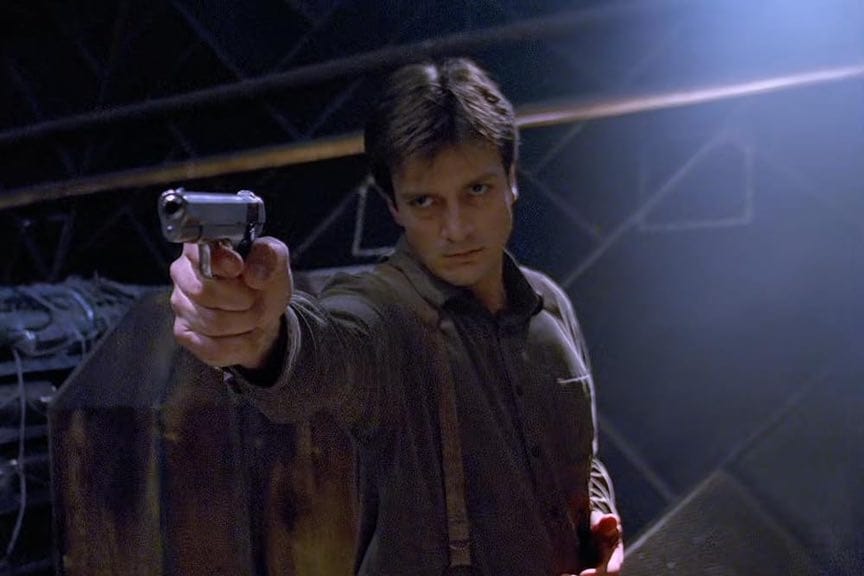
- I wrote about some of the highs (lots of Pluribus noms!) and lows (zero Lowdown noms!) of this year's Emmy nominations:
 Alan Sepinwall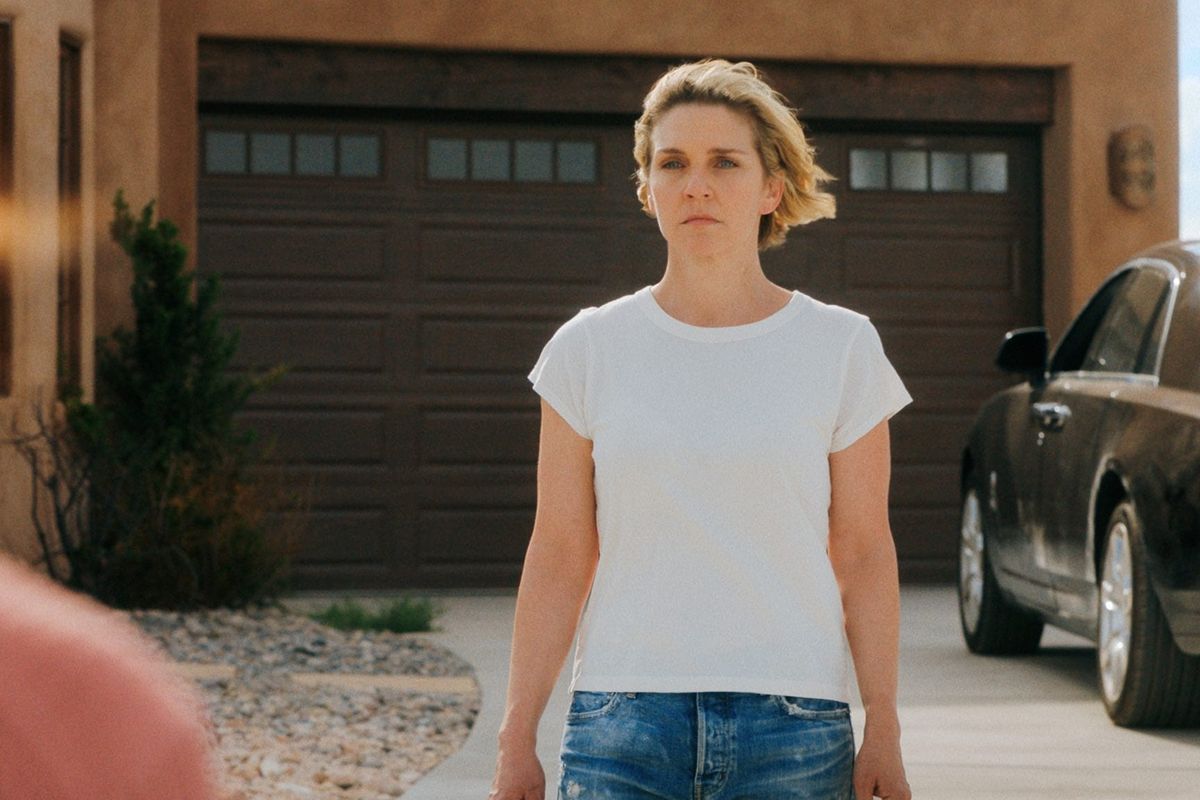
- I reviewed Netflix's new Little House on the Prairie adaptation:
 Alan Sepinwall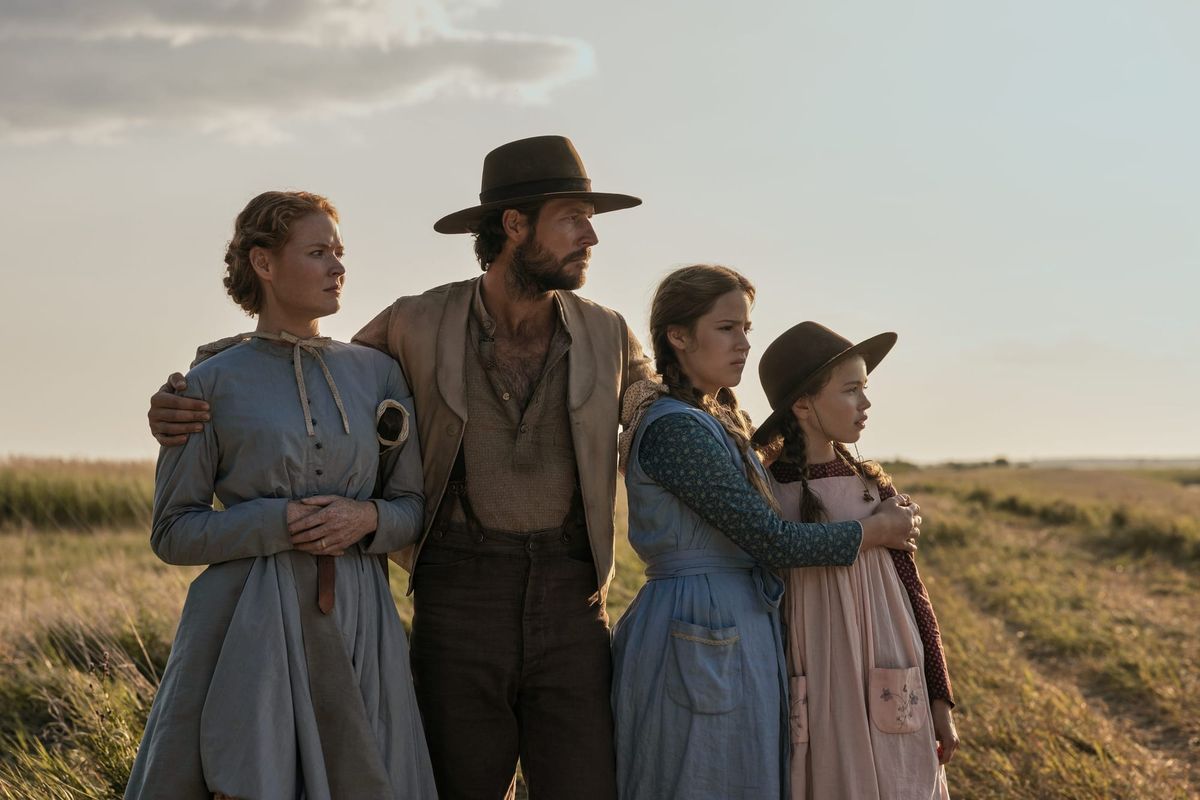
What's next?
Next week is a pretty busy one for mid-July. Here's what you're definitely getting:
- My recap of the next Vampire Lestat;
- My review of Lucky, the new Apple drama starring Anya Taylor-Joy as a con woman and Timothy Olyphant as her con man father;
- An interview with Tatiana Maslany, and, separately, spoiler thoughts on the Maximum Pleasure Guaranteed finale.
Depending on time and my interest level in the screeners, I'll also likely write about at least one of the following: Season Two of the King of the Hill revival, Will Ferrell's new Netflix golf comedy The Hawk, or Prime's new Hannah Waddingham/Octavia Spencer action comedy Ride or Die.
The case of the disappearing audience
There have been several recent articles (like this one from Bloomberg's Lucas Shaw) observing that recently, Netflix's shows have seen their ratings plummet when they return for second seasons:
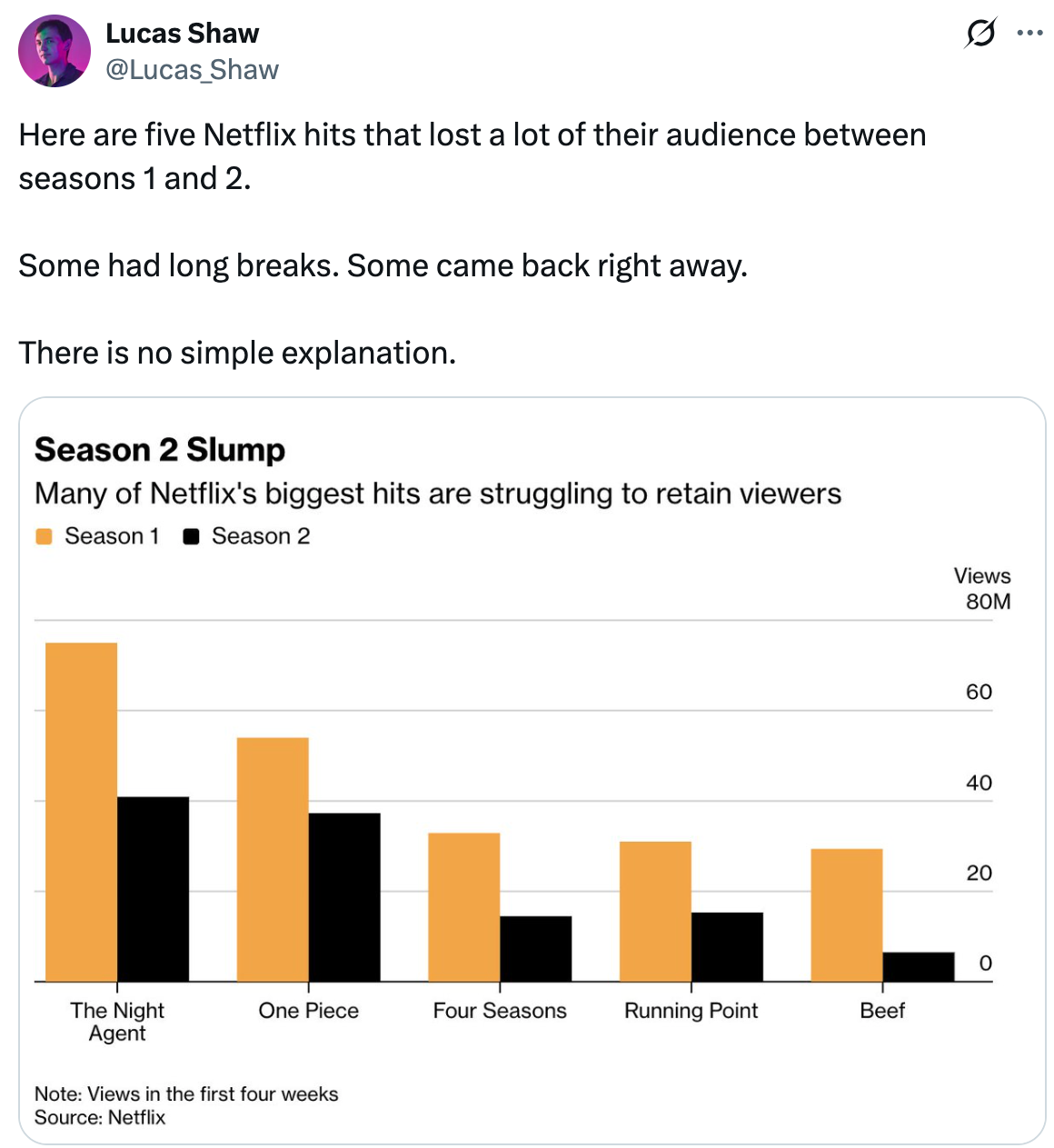
Per Shaw, Avatar: The Last Airbender plummeted more than 60% from its first week audience in Season One to its first week in Season Two. (So I'm not the only one who mostly enjoyed the first season and then didn't care about it when it returned.) And there are other big drops across the board.
It's a problem elsewhere in streaming, as we unfortunately saw with the late, great Poker Face, some of which you can attribute to the frustrating realities of TV in this era. When you only make 6-8 episodes per season, then make people wait 2-3 years between seasons for many of those shows, is it any wonder that the audience won't feel attached enough to return? Television is a medium built on habits. In the broadcast days, we watched 22 episodes or more from September through May, then only had to wait until the following September to get more episodes. Even in the cable explosion of the 2000s, you'd get 12 or 13 episodes per season, and seasons would be released annually. Nobody needed to audit a college course to refresh themselves on what happened previously, and they were excited when their TV friends returned not too long after they last saw them. This business model vastly diminishes — if not erasing altogether — the parasocial relationship that makes the audience come back year after year.
But the problem seems especially acute at Netflix. Why is that? I think it's a case of two bits of organizational philosophy that have finally come back to hurt the streaming giant. One is the binge release. All those other problems regarding season length and duration between seasons are at least mitigated a little by the fact that people watch seasons on other streamers play out over the course of 2-3 months. It's not a ton of time, but it's enough to have conversations with people about it, and to think about the show between episodes. And it shortens the gap between seasons, even a little. When your shows can be consumed in a rush over a weekend, or a week at most, they become much less mentally and emotionally sticky. Even if you liked the season, the chances of you remembering or caring about it when the next one arrives 12-36 months later aren't great.
The other is the inherent disposability of most Netflix shows. We've heard lots of tales about Netflix execs telling creators to make sure their work can be followed by people who are watching while scrolling on their phones. Whether this is exactly what's been said, the great majority of Netflix's scripted original series create the impression that the streamer views mediocrity as a feature, not a bug. There are certainly some excellent Netflix shows — A Man on the Inside's first season was wonderful, and still not a lot of people came back for the second — but on the whole the streamer seems to aspire for stuff designed to play in the background. And when you combine that with the binge model, and with the problems facing all streamers, is it any wonder that fewer people remember or care about these shows whenever they come back?
Getting in the video game
From the "Can an old dog be taught a new trick?" file: I'm now on TikTok, periodically recording my thoughts for video posterity. Here, for instance, is me on the Emmys:
@alan.sepinwall Emmy thoughts! Get your Emmy thoughts here! #TV #Emmys #Pluribus #ThePitt #TheLowdown
♬ original sound - Alan Sepinwall
And here are similar Netflix thoughts to the ones expressed above, but in video form!
@alan.sepinwall Why are Netflix shows plummeting in their second seasons? #TV #Netflix #TVIsGood
♬ original sound - Alan Sepinwall
Among my plans for the account is to spend somewhere between the last 25 and the last 50 days before the release of Serling: A Journey Into The Twilight Zone with TV's First Visionary (available for preorder now!) doing a daily countdown of my favorite Twilight Zone episodes.
The writing's obviously not going away. This site is my primary focus. TikTok, the podcast, Instagram, etc., are just me trying to diversify the number of places people can see me.
Star City finale recaplet: 'The Wolves'
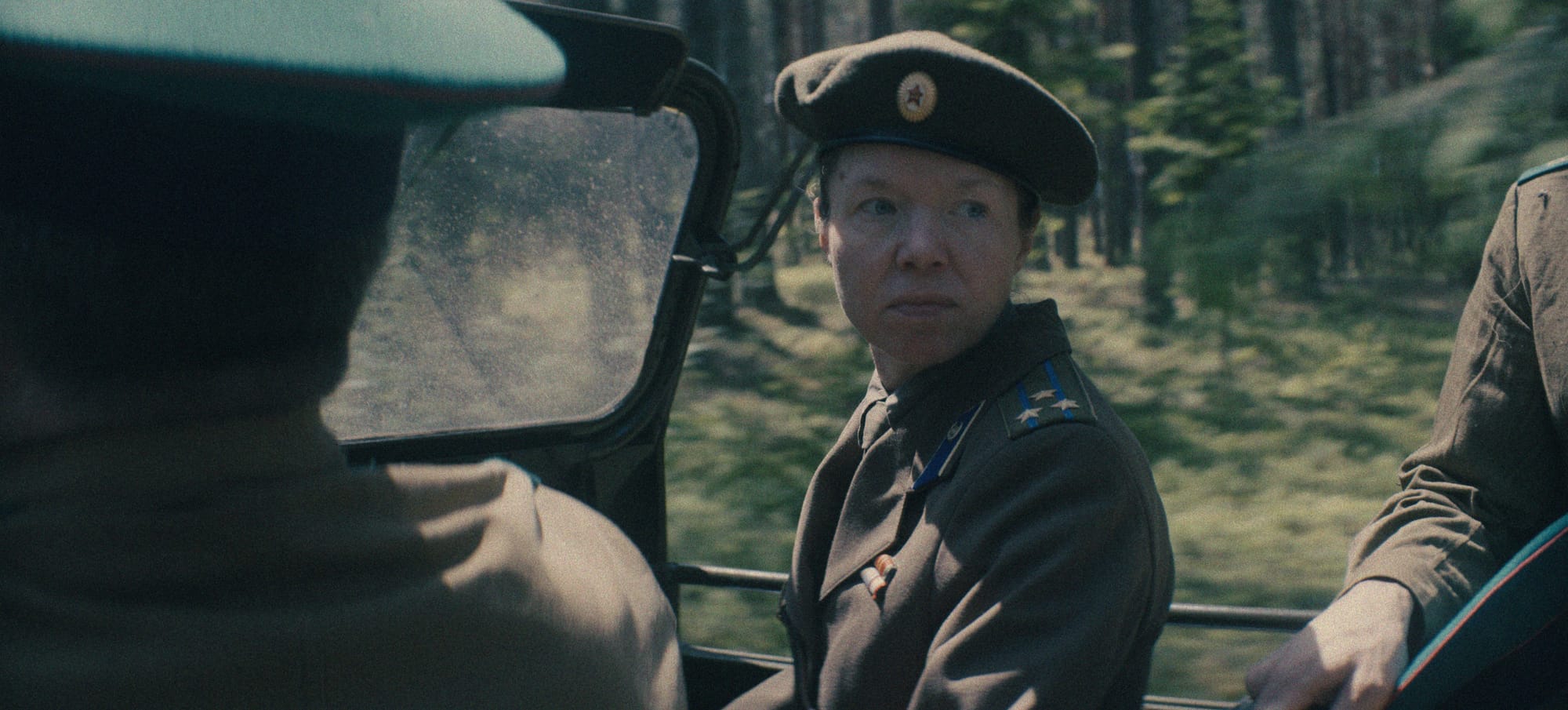
Finally, let's do some spoilers on the Star City season finale, which dropped this week.
 Alan Sepinwall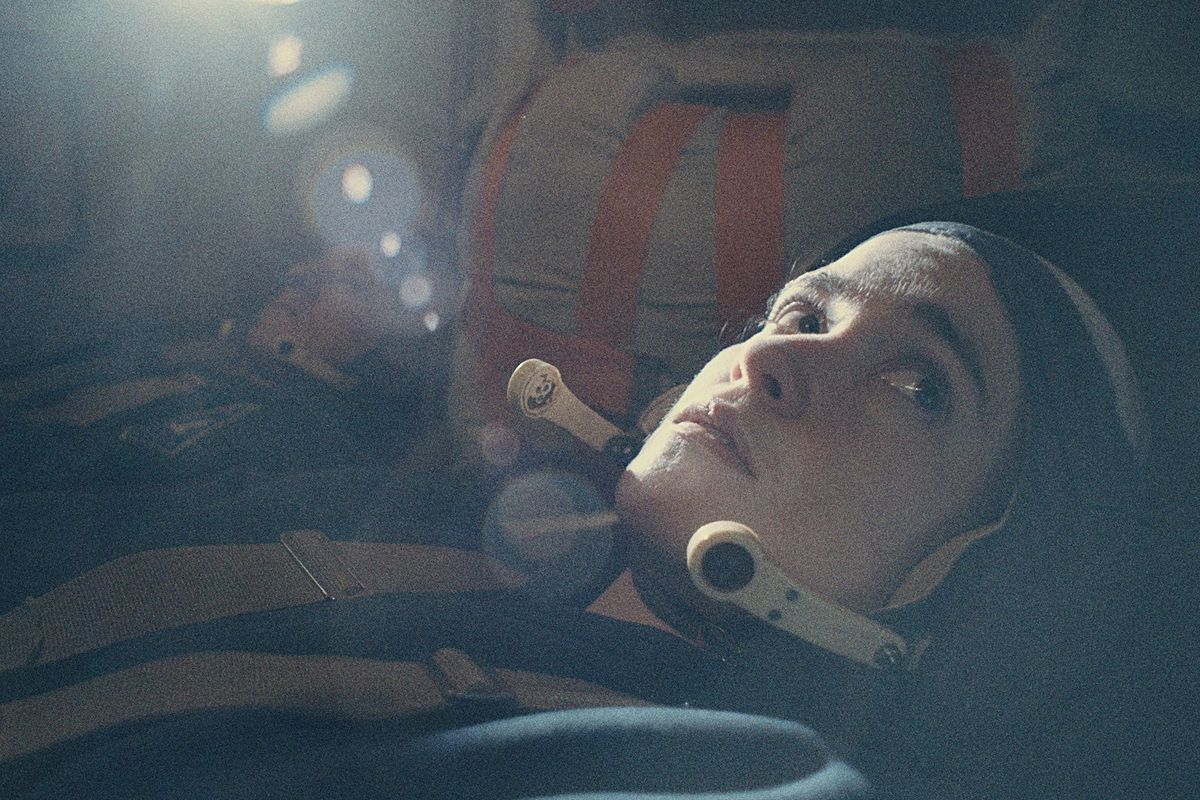
When I wrote my review, I had only seen the first five episodes, and noted that things seemed to be picking up steam at that point, just as For All Mankind seasons tended to be strongest when stories began converging towards the end. The Chief Designer sending a secret manned mission to Venus, and one of the cosmonauts being a traitor who's been feeding intel to the Americans, vastly upped the stakes and tied all of the season's subplots together in a way that made the whole feel greater than the sum of its parts.
But FAM never mentioned that the Soviets sent anyone to Venus, and the Mars missions were treated as the first time humans went to another planet. So I assumed something would cause it to be erased from the history books. At first, it seemed like Lyudmilla had succeeded in killing the crew. Instead, we got a MacGyver'ed situation where the Chief Designer and his team figured out they were still alive and could be redirected to Finland to avoid prison or worse. Again, the franchise is at its best when people are dangerously improvising in the vacuum of space, and there was a lot of that here. Valya sacrificing himself and becoming the first — and likely only — human to ever land on the surface of Mars wasn't at the level of Tracy and Gordo's famous FAM run across the lunar surface, but it was at least in the spirit of the thing. Ditto Anastasia bailing on her mission to make an emergency landing in a desperate attempt to save Sasha. Lots of cool stuff there, and the whole thing remains an outstanding Anna Maxwell Martin delivery system.
I do have pause on a couple of things, though. One is the franchise's ongoing problem with male characters. To the extent that I cared at all about Sasha or Valya, it was through how Anastasia and Tanya felt about them. Valya's sacrifice didn't match Gordo and Tracy's in large part because he was still a relative non-entity, whereas they were two of the richest characters on FAM.
The other is that the season ends with lots of key characters in KGB custody, having committed treason against the USSR. So one of two things will happen in a second season: 1)The show will have to contort itself to get some or all of them not only released, but back in active duty in the space program, or 2)The show will have to start over with a mostly new cast, with only Lyudmilla and Irina returning in prominent roles. And this is a franchise that's also historically bad with replacement characters.
But if they can keep doing crazy space shit, at a frequency and consistency that FAM hasn't provided in quite some time? Then I'll be back.
That's it for today! What does everybody else think?
